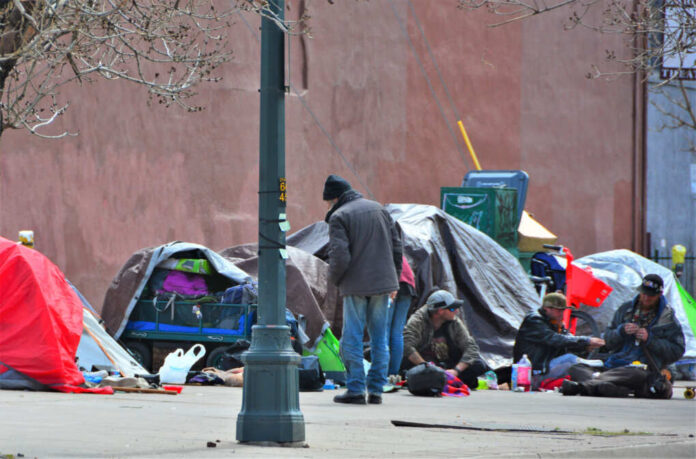
The Trump administration’s latest initiative to clear Washington, D.C. of homeless encampments is sparking significant debate, highlighting a clash between public order and humanitarian needs.
Story Highlights
- Trump administration enforces law to remove homeless encampments in D.C.
- 70 encampments already cleared; federal agencies empowered to act swiftly.
- Critics argue about increased criminalization and lack of housing solutions.
- Federal intervention raises questions about local authority and urban policy.
- Potential for legal challenges and public backlash against the initiative.
Federal Initiative to Clear Encampments
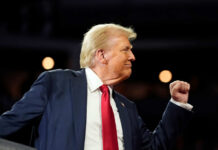
President Donald Trump’s administration has announced a sweeping policy aimed at removing homeless encampments from parks and public spaces in Washington, D.C. The plan, which promises to make the city “safer, functional, and beautiful again,” involves enforcing existing laws against camping in public areas. Federal agencies, including the U.S. Park Police are tasked with carrying out these measures, with non-compliance potentially resulting in fines or jail time.
To date, 70 encampments have been removed, with two more scheduled for imminent clearance. The administration, emphasizing the need for public safety and urban renewal, has used executive orders to expedite these actions. While this initiative has been framed as a necessary step to restore order, it has faced criticism from homeless advocates concerned about the lack of clear housing alternatives and the potential for criminalizing already vulnerable populations.
Concerns and Criticism
Critics of the initiative argue that removing encampments without providing adequate housing solutions merely shifts the problem elsewhere, rather than addressing its root causes. Advocacy groups like Miriam’s Kitchen have highlighted the adverse effects this could have on marginalized communities. They point out that while law enforcement actions are swift, the provision of shelter and substance abuse treatment for displaced individuals remains uncertain and underdeveloped.
Furthermore, the Trump administration’s decision has reignited debates over federal versus local control in D.C. The city, often under significant federal oversight, faces unique governance challenges, and the current federal intervention raises questions about local autonomy and the balance between public order and social welfare.
Potential Implications and Reactions
Short-term implications of this initiative include the immediate displacement of homeless individuals and a heightened law enforcement presence in public areas. While the administration aims to reduce visible homelessness in central D.C., the lack of sustainable solutions risks merely displacing the issue to other areas, increasing hardship for those affected. This approach may also lead to legal challenges and public backlash, as questions about the adequacy and ethics of such measures persist.
Trump Details Plans to Make Washington D.C. Beautiful Again
— GuitarMan (@palumb61466) August 13, 2025
Economically, the costs associated with enforcement and cleanup are significant, and socially, the increased vulnerability of homeless populations could strain shelters and services. Politically, this move has intensified discussions about urban policy, federal authority, and the criminalization of poverty. Ultimately, the effectiveness of the Trump administration’s plan will be measured not just by the reduction in visible encampments, but also by its impact on the lives of D.C.’s homeless population.
Sources:
ABC News: Trump’s remarks on homelessness in D.C. spark concerns among homeless advocates
Homeless Law Center: Trump targets D.C. homeless encampments