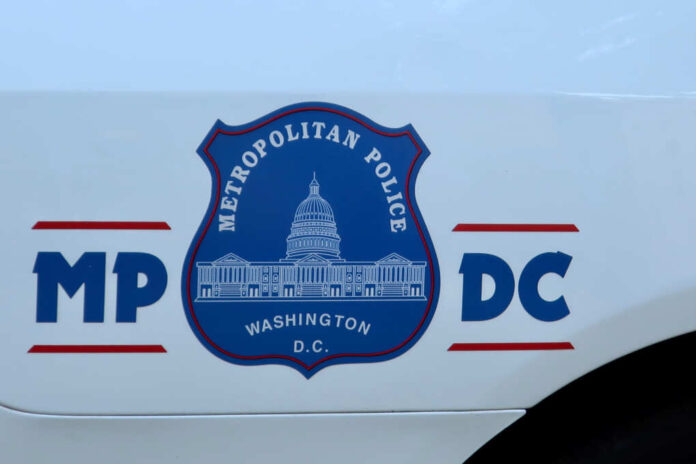
Washington, D.C. officials are fighting in court to keep more than 1,000 hours of Jan. 6 police bodycam video out of public view unless a conservative watchdog first pays over $1.5 million.
Story Snapshot
- Judicial Watch is suing D.C. under FOIA to release all Metropolitan Police body‑worn camera footage from Jan. 6, 2021.
- The city claims sweeping privacy concerns and a projected $1.5 million redaction bill to justify withholding the videos.
- A Jan. 8, 2026 hearing in D.C. Superior Court could set a major precedent for police transparency and government accountability.
- The fight highlights how secrecy, bureaucracy, and cost barriers can shield politically sensitive narratives from public scrutiny.
Judicial Watch Challenges D.C. Over Locked‑Down Jan. 6 Bodycam Video
Judicial Watch, a longtime conservative government watchdog, is pressing a Freedom of Information Act lawsuit against the District of Columbia to obtain all body‑worn camera footage from Metropolitan Police officers who responded to the U.S. Capitol on January 6, 2021. The group first filed its FOIA request back in August 2021, targeting the full trove of recordings from that day. After years of stonewalling and failed administrative talks, the dispute has finally landed squarely in court.
District officials do not dispute that the footage exists or that it captured a major public event on public grounds. Instead, they argue that releasing it would require painstaking redaction of every non‑officer’s face and voice to protect privacy. On that basis, they have floated a staggering price tag of more than $1.5 million to process over 1,000 hours of video. For a nonprofit watchdog funded by grassroots donors, that demand operates as an effective denial.
Privacy Claims, Massive Fees, and the Question of Who Owns the Record
Under D.C.’s FOIA framework, agencies can invoke privacy and burden to narrow or resist disclosure, a power the Metropolitan Police Department is now wielding aggressively. Officials insist they must shield protesters, journalists, and bystanders from identification, even though these individuals were recorded in open public spaces already saturated with cameras. Judicial Watch counters that behavior at a high‑profile political event on public property carries minimal privacy expectations and that the law does not permit the government to hide controversial footage behind sky‑high redaction invoices.
For many conservatives, this clash exposes how “privacy” and “administrative burden” language can be repurposed to insulate bureaucracies from accountability. When the government holds exclusive control over video that shaped prosecutions, media narratives, and the broader judgment of millions of citizens, withholding the raw material invites suspicion. The requested bodycam recordings could confirm, complicate, or challenge prior storylines. Either way, they belong to the people, not to a city hall legal department intent on managing political fallout.
The Jan. 8 Hearing and What Is at Stake for Transparency
The case, styled Judicial Watch v. District of Columbia, reached a key moment with a hearing scheduled for January 8, 2026, before D.C. Superior Court Judge Carl E. Ross. At issue is whether the city may continue to block broad access by demanding exhaustive redactions and outsized fees or must instead treat the footage as presumptively public. There is no clear final ruling yet, but the judge’s approach will likely shape how far local governments can go in using cost and privacy to wall off politically sensitive video records.
Conservatives watching this case see more than a technical FOIA fight. For years, the left and much of the legacy media insisted their Jan. 6 narrative was settled, even while releasing only curated clips. Congress has now begun to open Capitol surveillance files, and NPR has built a public archive from various sources, yet the most sweeping view from D.C. police cameras remains sealed. If courts side with Judicial Watch, ordinary Americans could finally compare what they were told with what officers’ cameras actually recorded in real time.
Broader Impact on Jan. 6 Defendants, Police, and the Historical Record
The outcome also matters greatly for individuals tied to Jan. 6, including defendants, officers, and bystanders. Full access could help some defendants contextualize their actions, support clemency petitions, or challenge selective prosecutions, while also shining additional light on genuine criminal conduct. Police officers whose bodycams documented violence have already seen some footage used in court and media; a broader release could bring both renewed praise for courage and fresh scrutiny of tactics and decisions made under extreme pressure.
Court Hearing for DC Police Bodycam J6 Footage https://t.co/IjAnJCpXlf
— ConservativeLibrarian (@ConserLibrarian) January 9, 2026
Beyond this specific controversy, the case may set the tone for future battles over body‑worn cameras at large political events, protests, and riots. If D.C. can price a nonprofit and its supporters out of access, similar fees could block citizens from reviewing footage of future crackdowns, election‑related unrest, or clashes over immigration and public order. If, instead, the court recognizes that transparency around public events is a core democratic value, it would reaffirm that cameras should serve the public interest, not just bureaucratic control and narrative management.
Sources:
Court Hearing Held for DC Police Bodycam Footage from January 6, 2021
Judicial Watch: Court Hearing Set for DC Police Bodycam Footage from January 6, 2021
2 police officers relive Jan. 6 through their own bodycam footage
Federal court hearing set for DC police bodycam footage from January 6, 2021
NPR’s public archive features video and court records related to the Jan. 6 attack