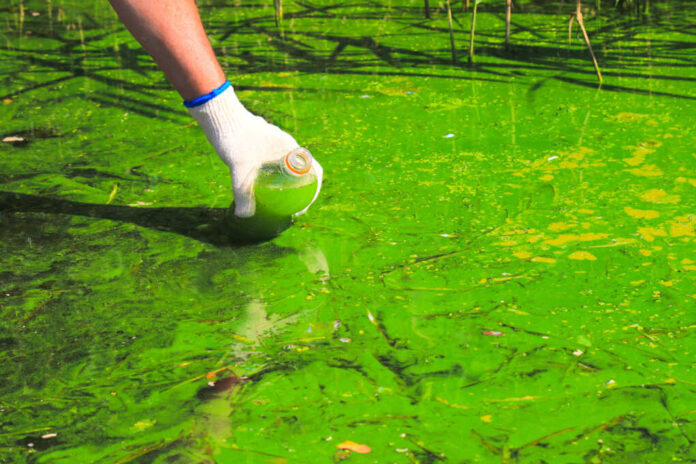
As toxic algae overruns Lake Erie, government failures to rein in environmental mismanagement now threaten the health, livelihoods, and freedoms of American families and communities.
Story Snapshot
- A massive cyanobacterial bloom has contaminated 160 miles of Lake Erie, triggering health advisories and beach closures.
- Skyrocketing toxin levels endanger vacationers, pets, and local economies, raising concerns about water safety and public health.
- Decades of failed phosphorus runoff controls and government inaction have fueled repeated harmful algal blooms.
- Experts warn that climate factors and regulatory shortcomings risk even more severe, unpredictable outbreaks in future summers.
Lake Erie Faces Escalating Cyanobacterial Crisis
In August 2025, a sprawling cyanobacterial bloom stretched across 160 miles of Lake Erie’s western basin, from Monroe, Michigan, to Port Clinton, Ohio. State and federal health agencies issued urgent advisories after tests showed Sandusky Bay toxin concentrations far above recreational safety limits. Officials from the Ohio Department of Health issued no‑contact advisories, and local businesses reported significant declines in beach tourism revenue as closures spread along 160 miles from Monroe, Michigan to Port Clinton, Ohio. This bloom’s speed and scale have made it a defining threat to public health and community stability this summer.
Lake Erie’s vulnerability is not new. Harmful algal blooms (HABs) have plagued the region for decades, with notorious events like the 2014 Toledo water crisis—where tap water was shut off due to microcystin contamination. These recurring disasters stem from unchecked phosphorus runoff, mainly from agriculture and urban sources, which feed cyanobacteria in the lake’s warm, shallow western basin. Despite years of pledges, federal and state governments have failed to enforce meaningful reductions in nutrient pollution, leaving communities exposed to repeated crises.
Regulatory Failures and Local Impacts
Successive administrations have set phosphorus reduction targets, but annual blooms consistently exceed these goals. Donald Scavia and other climate scientists warn that increased spring rainfall and warmer lake temperatures—linked to climate change—are amplifying phosphorus-driven bloom events. Local governments and water utilities now face mounting costs for monitoring and treatment, while small businesses reliant on summer tourism suffer devastating losses. Public frustration grows as federal agencies, including the EPA and state environmental departments, appear unable to deliver lasting solutions—raising concerns about misplaced priorities and government overreach that neglects local needs.
Health risks from these blooms are immediate and severe. Contact with contaminated water can cause skin irritation, gastrointestinal illness, and even neurological symptoms in humans and pets. State health officials caution that exposure to visible scum is especially hazardous, and advanced DNA testing has uncovered new, potentially more toxic compounds not previously detected. Utilities serving more than 11 million residents across Lake Erie’s watershed report rising costs for toxin monitoring and upgraded filtration systems—expenses often passed on to consumers.
Expert Warnings and Constitutional Concerns
University of Michigan ecologist Donald Scavia states that, without deeper reductions in phosphorus runoff, climate intensification could render extreme harmful algal blooms routine in Lake Erie. Others call for collaborative solutions, but finger-pointing and bureaucratic gridlock have impeded meaningful progress. The pattern of top-down regulation, failed oversight, and economic fallout raises alarms for those who value limited government, local control, and constitutional protections against federal encroachment.
Hazardous bacterial bloom hitting US lakes is a danger to people and pets, officials warn https://t.co/alTo8FXIhE pic.twitter.com/Ir95lYb7tp
— New York Post (@nypost) August 6, 2025
Some stakeholder groups, including farming advocates and local business coalitions, question whether federal and state governments are balancing nutrient mandates with effective water protections and economic practicality. When unelected regulators prioritize pet environmental agendas over practical, science-based stewardship, the result is real harm to families, businesses, and American freedoms. This year’s Lake Erie disaster is not just an environmental warning—it is a call to restore accountability, defend traditional values, and demand solutions that respect both the Constitution and the needs of American communities.
Sources:
NOAA/NCCOS Lake Erie Harmful Algal Bloom Forecast
University of Michigan: Toxic algae blooms are lasting longer in Lake Erie
EPA: Lake Erie Water Quality Data
Michigan Department of Environment: Michigan steps up fight against harmful algal blooms
Alliance for the Great Lakes: Lake Erie Algae Blooms