
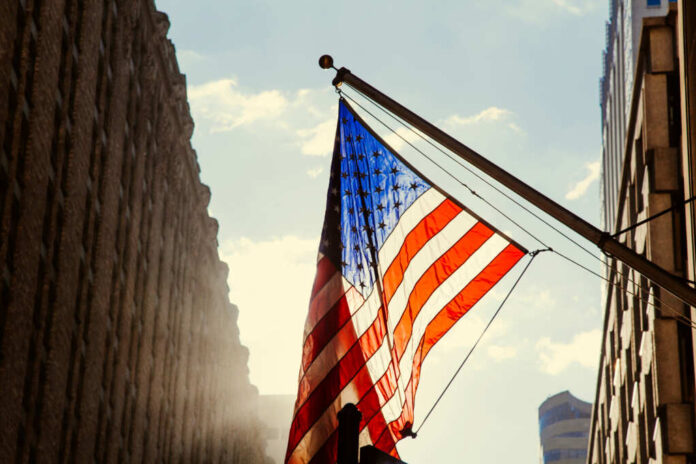
As New York City stands as a testament to American determination, the legacy of rugged individualism is being revisited and questioned.
Story Highlights
- The concept of rugged individualism is linked to NYC’s development.
- No direct evidence supports rugged individualism’s role in NYC’s growth.
- NYC’s history involves collective infrastructure and immigration.
- Rugged individualism remains a cultural cornerstone in the U.S.
Rugged Individualism and NYC: A Questionable Connection
In the fabric of American identity, rugged individualism has long been celebrated as a cornerstone. Stemming from the frontier spirit, this concept emphasizes self-reliance and minimal government interference. However, its purported role in shaping New York City’s development is debatable. While NYC is synonymous with skyscrapers and innovation, the city’s growth relied heavily on collective infrastructure and massive waves of immigration, contrasting with the isolation typical of frontier life.
Rugged individualism, as a cultural trait, emerged during the westward expansion of the United States between 1790 and 1890. Historian Frederick Jackson Turner argued in his 1893 Frontier Thesis that the American frontier fostered traits such as resourcefulness and a disdain for government intervention. While these ideas permeated American culture, applying them directly to NYC overlooks the city’s hybrid nature of individual enterprise and public cooperation.
The Frontier Thesis and Its Limitations
The myth of rugged individualism was further popularized by President Herbert Hoover during his 1928 presidential campaign, where he contrasted it with Franklin D. Roosevelt’s New Deal policies. The New Deal era marked a significant shift towards government intervention, challenging the notion of individualism. Despite this, the frontier spirit continued to influence American political thought, favoring limited government and self-reliance.
New York City’s development, however, tells a different story. The city’s massive immigration waves in the 19th and early 20th centuries, along with its public works and infrastructure projects, highlight the importance of collective effort in urban growth. The city’s evolution was less about rugged individualism and more about the synergy of diverse communities working together.
Contemporary Reflections on Individualism
In contemporary debates, rugged individualism remains a topic of discussion. Papers from the National Bureau of Economic Research have explored the long-term effects of frontier culture on U.S. counties. These studies confirm that traits associated with rugged individualism persist in regions with historical frontier exposure. However, they also highlight how urban contexts, like NYC, necessitate a blend of individual and collective approaches.
I can understand why the new commie mayor of New York dislikes the phrase “rugged individualism”.
It smacks of courage, innovation, self-reliance, resilience, autonomy, dissent, freethinking, self-worth, and every other heroic virtue he and his tribe lacks.
— Alice Smith (@TheAliceSmith) January 2, 2026
While rugged individualism continues to be a revered part of American heritage, its direct application to urban centers like New York City is speculative. The city’s success is a testament to innovation and resilience, achieved through collective effort and diverse contributions. As the debate continues, the challenge lies in balancing individual liberty with the benefits of cooperation, ensuring both thrive in the modern American landscape.
Sources:
Frontier Culture: The Roots and Persistence of “Rugged Individualism” in the United States
Rugged Individualism: Dead or Alive?
Frontier Culture and Its Impact
Rugged Individualism and Its Modern Implications