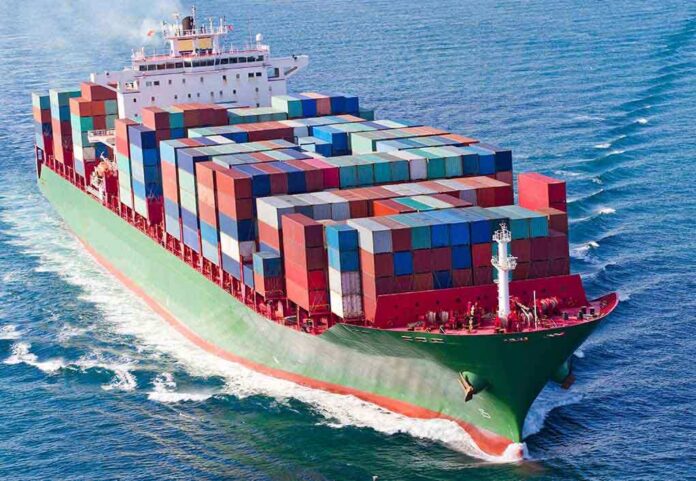
Somali pirates have seized multiple tankers near Yemen and moved them into Somali waters, signaling a real comeback that threatens a key trade lane.
Story Snapshot
- At least two recent hijackings near Yemen were blamed on Somali pirates, with vessels moved toward Puntland.
- A maritime warning center logged 18 piracy incidents since April, with several ships still held for ransom.
- The United Kingdom Maritime Trade Operations warned ships to transit with caution after unauthorized boardings.
- Reports of “mothership” use remain unproven in 2026 incidents despite historic precedent for the tactic.
What Happened Off Yemen and Somalia
BBC, Reuters, and the Los Angeles Times reported that armed men boarded at least one tanker near Yemen in July, then steered it toward Somalia. United Kingdom Maritime Trade Operations said “unauthorized personnel” boarded a vessel and urged ships to be cautious. Residents and local officials later placed the seized ship in Puntland, in Somalia’s northeast, where pirates held it off the Bari region near Caluula. These details point to control long enough to relocate the vessel.
Al Jazeera described a wider wave of hijackings this year. Since April, the French navy’s Mica Center recorded 18 piracy incidents and hijackings, with at least three ships still held for ransom. A private maritime advisory also said three attacks in one month showed a surge in Somali piracy. These counts are higher than recent years, but they do not yet match the 2008 to 2011 peak. The pattern still matters because the Gulf of Aden carries global trade between Asia, the Middle East, and Europe.
Claims About “Motherships” and What We Know
Some outlets and social posts point to a hijacked tanker being used as a “mothership” to launch more attacks. Historic records show Somali pirates have used captured boats this way, which makes the idea plausible in principle. But the 2026 reports at hand do not show a seized tanker launching skiffs or conducting follow-on raids. There is no released ship tracking, satellite image, or naval log that proves current mothership use tied to a named vessel.
That gap matters. It is one thing to hold a ship for ransom. It is another to turn that ship into a mobile base. Without confirmed visuals, radio logs, or crew testimony, the mothership claim remains an unproven step beyond confirmed hijackings. This is a common problem in early maritime reporting. Governments and navies often share limited data at first. Private firms may also frame risk as rising, which can color how people read thin facts.
Why This Matters to Shippers and Families at Home
Insurance costs can rise when pirates return. Rerouting ships around danger zones adds days and fuel costs. Those costs can show up in prices for energy and goods. Families already stretched by inflation feel that pain. People on the right blame weak security and global chaos; people on the left blame profit-first shipping and poor labor safety. Both sides agree on this: when seas go unpoliced, regular people pay while powerful players pass along the bill.
Let’s all ponder these charming people coming to a town near you. Somali Pirates Are Back, Using a Hijacked Cargo Tanker as a 'Mothership' to Attack Other Vessels off the Horn of Africa https://t.co/Nacq8SPm9l #gatewaypundit via @gatewaypundit
— no comment (@GinaWin71390075) July 27, 2026
The United States and allies have tools to respond. Naval patrols, convoy advice, and tighter reporting rules can shrink pirate room to act. Clear, public incident logs from the United Kingdom Maritime Trade Operations, European Union naval forces, and regional partners would also help. Release of radio traffic and confirmed satellite tracks could prove or disprove mothership use. Until then, the facts are firm on hijackings and vessel moves toward Somalia, but not on operational use beyond ransom holding.
What to Watch Next
Watch for verified tracking of seized ships after capture. Look for crew accounts on whether pirates launched skiffs from their vessel. Check if insurers classify the area as higher risk, which often precedes price impacts. Finally, watch for coordinated naval updates rather than anonymous quotes. Solid, public records will show if this is a short flare-up or a sustained return to mothership tactics and broader attacks. For now, the threat is real, but some claims run ahead of proof.
Sources:
thegatewaypundit.com, bbc.com, usnews.com, latimes.com