President Trump’s strategic pivot positions Saudi Arabia as America’s primary bulwark against the dangerous axis of Iran, China, and Russia.
Story Highlights
- Trump finalizes groundbreaking nuclear energy cooperation deal with Saudi Arabia to counter Chinese and Russian influence
- Saudi Crown Prince meets with President Trump to strengthen strategic partnership amid escalating Iranian threats
- Kingdom warns it will match Iran’s nuclear capabilities if necessary, raising regional security stakes
- UN Security Council divisions highlight China and Russia’s obstruction of Middle East stability efforts
Trump Administration Strengthens Nuclear Partnership
President Trump’s administration finalized a pivotal nuclear energy cooperation agreement with Saudi Arabia in November 2025, marking a strategic counter to Chinese and Russian attempts to dominate Middle East energy markets. This partnership represents a fundamental shift in regional power dynamics, offering Saudi Arabia access to advanced nuclear technology while ensuring American oversight and influence. The deal effectively blocks Beijing and Moscow from gaining nuclear footholds in the kingdom, preserving American strategic interests in this critical region.
Watch:
Crown Prince Meeting Reinforces Strategic Alliance
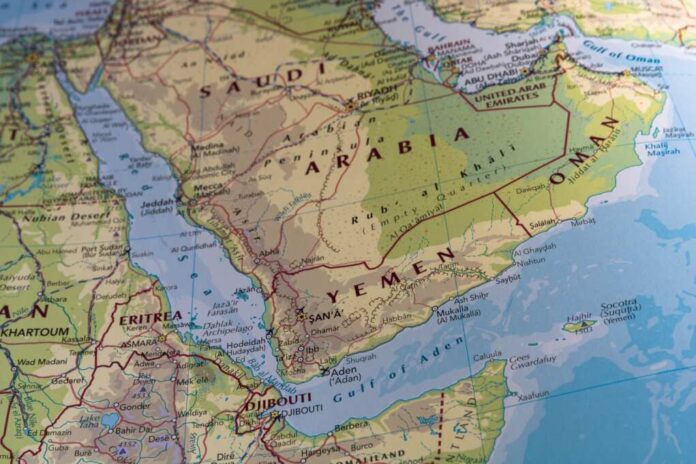
Crown Prince Mohammed bin Salman’s recent White House visit with President Trump solidified the kingdom’s role as America’s premier Middle East ally against Iranian aggression and great power competition. The high-level discussions focused on regional security cooperation and joint efforts to counter Iran’s destabilizing activities, including support for terrorist proxies and attacks on Red Sea shipping. While Israeli normalization remains off the table, the strengthened US-Saudi partnership provides a robust foundation for confronting shared adversaries.
Opinion | Saudi Arabia is new front line as us faces down Iran, China and Russia's ambitions – Fox News https://t.co/R562rsnCQp
— Jim Williams (@JimWilliamsUSA) November 26, 2025
Iranian Nuclear Threat Drives Regional Arms Race
Saudi officials have explicitly stated their intention to match Iran’s nuclear capabilities if Tehran continues its weapons program, creating a dangerous proliferation scenario that threatens regional stability. This Saudi nuclear posture emerges from legitimate security concerns about Iran’s advancing missile and nuclear programs, combined with the regime’s threats against American military bases. The kingdom’s potential nuclear ambiguity represents both a deterrent against Iranian aggression and a challenge to traditional nonproliferation frameworks.
China and Russia Obstruct International Security Efforts
The November 17, 2025 UN Security Council Resolution 2803 exposed China and Russia’s unwillingness to support Middle East stability, with both nations abstaining from measures addressing regional security concerns. This obstruction pattern reflects their broader strategy of challenging American leadership while expanding their own influence through economic partnerships and arms sales. Their refusal to cooperate on international security demonstrates why President Trump’s bilateral approach with trusted allies like Saudi Arabia proves more effective than multilateral diplomacy.
The Trump administration’s renewed focus on Saudi Arabia as a strategic partner represents a pragmatic response to evolving Middle East dynamics and great power competition. This partnership offers mutual benefits while serving American interests in containing Iranian aggression, limiting Chinese economic penetration, and countering Russian military influence throughout the region.
Sources:
2025 Iran–United States negotiations – Wikipedia
Saudi Nuclear Posture After the 12-Day War – War on the Rocks
Sudan at a Crossroads: Renewed US-Saudi Alignment and Red Sea Geopolitics – Geopolitical Monitor
Washington Policy Weekly: Trump Hosts Saudi Crown Prince – Arab Center DC
US and Saudi Arabia Reach Deal on Nuclear Energy Cooperation – ANS Nuclear Newswire
Crown Prince’s Meeting with Trump Has Ambitious Agenda – Chatham House