Security camera footage and an arrest affidavit say an 82-year-old woman died after a driver backed over her in a Publix parking lot, focusing grief and anger on basic safety that should protect everyone.
Story Highlights
- Florida Highway Patrol affidavit says the SUV struck and ran over Deborah Murphy as it backed up.
- The driver, identified as Carlos Suarez-Contreras, faces criminal charges tied to the fatal crash.
- The case revives debates over parking lot safety and who should bear legal responsibility.
- Recent Florida rulings narrow store liability when risks are not specific or foreseeable.
What Police Records And Video Show
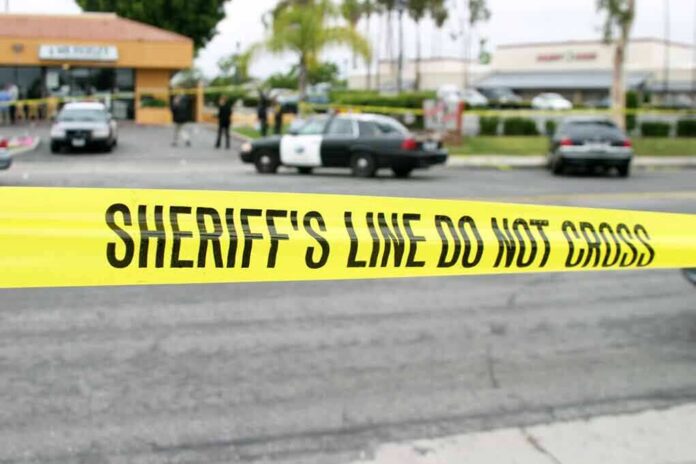
Florida Highway Patrol records and news reports say that on May 17 in Panama City Beach, Deborah Murphy walked in a marked crosswalk outside a Publix. A Toyota 4Runner backed into her, knocked her down, and kept reversing, running over her. An arrest affidavit names the driver as Carlos Suarez-Contreras and states he was taken into custody and charged in connection with her death. Family members are pushing for accountability and say the loss was preventable.
Reporting adds that video captured key moments before impact. That footage is part of the evidence cited by authorities and covered in media reports. The basic facts are not in dispute: Murphy was in a crosswalk, she was hit by a reversing vehicle, and she died from her injuries. The driver’s immigration status drew public attention, but the legal case will turn first on driving conduct and any criminal and civil negligence claims.
Why The Liability Question Matters
Wrongful death cases after parking lot crashes often split responsibility between a driver and the property owner. Families sometimes sue the driver for negligence and the store if they believe the site design or rules failed to reduce known risks. Florida courts look for specific, knowable danger, not just general risk. Without proof of a clear, prior hazard the store knew about, judges often limit store liability and keep the focus on the driver’s actions.
Recent decisions show the line Florida courts draw. Judges have said businesses are not insurers of all harms on their property. When attacks or sudden acts are random and unforeseeable, courts have ruled stores had no duty to prevent them. In a 2026 ruling, an appeals court said a supermarket had no duty to anticipate a random shooting, calling it unforeseeable under the law. That reasoning can shape how courts view parking lot tragedies without prior warning signs.
What Justice Could Look Like For The Family
The Murphy family can seek accountability in two tracks. Criminal charges test whether the driver’s conduct meets the standard for guilt beyond a reasonable doubt. A civil wrongful death case uses a lower standard and weighs negligence and damages. If evidence shows careless backing, civil liability against the driver can follow. Claims against the store would require proof that Publix created or failed to fix a known, specific danger tied to how cars and people move outside the entrance.
‘Vibrant’ Florida grandma allegedly killed by illegal immigrant outside Publix, family fights for justice Carlos Suarez-Contreras and his passenger were both issued ICE detainers after the Panama City..https://t.co/5CfeJQLuQ3 pic.twitter.com/8asPt6gfbw
— The Crusader (@CrusadeAgain) July 26, 2026
Many readers on both left and right see stories like this as proof that basic systems are not working. People want safe parking lots, clear traffic flow, and steady enforcement of laws that protect pedestrians. Families also want swift, even-handed justice, no matter who the driver is. This case puts those concerns into sharp relief: an everyday errand, an older neighbor in a crosswalk, and a deadly gap between rules on paper and safety on the ground.
Sources:
facebook.com, legalnewsline.com