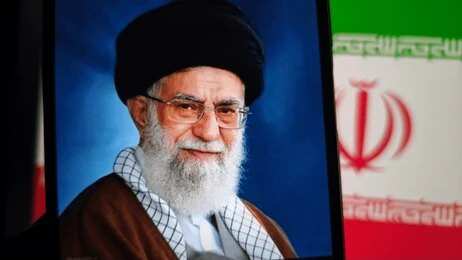
Iranian workers say they were ordered to fill Ayatollah Ali Khamenei’s delayed funeral, raising fresh alarms about coercion and control.
Story Snapshot
- Dozens of messages describe pressure on workers, businesses, and charities to attend ceremonies.
- Public-sector staff were told to show up, with leave reportedly canceled in Tehran offices.
- The funeral was delayed 131 days over conflict and security fears tied to mass gatherings.
- Officials still project millions in attendance amid tense regional politics and a shaky U.S. peace track.
What Iranians Reported About Attendance Pressure
Iran International reported dozens of messages from Iranians saying authorities and state-linked groups pushed workers, businesses, and charities to attend Khamenei’s funeral events. Several messages said public workers had to show up. One Tehran municipality employee said all leave was canceled across offices. Another message cited an audio clip said to be from a district human resources chief telling even parents and people with health problems to attend. These claims point to top-down direction, not voluntary mourning.
Some messages also described pressure on private life and charity work. A note from Hamedan province said local officials summoned charities and warned their work could be disrupted if they refused to help. Another message said police and members of the volunteer militia visited restaurants near Tehran, ordering free meals for mourners and warning about closure if owners did not comply. These accounts suggest economic levers were used to force support for the ceremonies.
Delayed Funeral and Security Risks Shape the Moment
Times Now World reported the funeral took place 131 days after Khamenei’s death because of security concerns during wartime and fear of attacks at large crowds. That long delay is unusual and suggests major safety planning. NBC News added that the ceremonies unfolded amid a tense region and a fragile understanding with the United States, far from normal conditions. Together, these facts show the state faced real risks, even as it sought large turnouts to project unity and strength.
Officials and state media projected huge crowds, even “funeral of the century” levels, with talk of 20 million attendees. Such numbers serve a clear political goal: show the country stands as one despite conflict and pain. The projections also help drown out stories about forced attendance. At the same time, there is no independent audit or verified count that confirms or refutes the size of the crowds. This gap leaves space for both doubt and spin on all sides.
What We Know, What We Do Not, and Why It Matters
The strongest confirmed details come from the reported directives: public-sector orders to attend, leave cancellations, and pressure on civil society described in dozens of messages to Iran International. These accounts fit a familiar pattern in which the state marshals workers and resources to stage mass displays. Yet hard proof of how many people stayed away does not exist. There are no reliable refusal rates, no sworn witness lists, and no official answers to these complaints.
More than 100 countries are sending official delegations to Tehran for the state funeral of Iran's late Supreme Leader Ayatollah Ali Khamenei. High-level regional and global representatives include Pakistan's Prime Minister Shehbaz Sharif, China’s National People's Congress Vice…
— Rubab (@rubabbx) July 3, 2026
NBC News’ description of a tense political backdrop, plus the 131-day delay for safety, explains why officials tried to manage crowds and narratives at the same time. For readers in the United States, the theme is familiar. Leaders use big, public rituals to show stability, while people on the ground feel squeezed. When the state can order workers, charities, and businesses to attend or support an event, it blurs the line between public service and political theater. That mix feeds distrust on both the right and the left.
Sources:
insiderpaper.com, iranintl.com, nbcnews.com