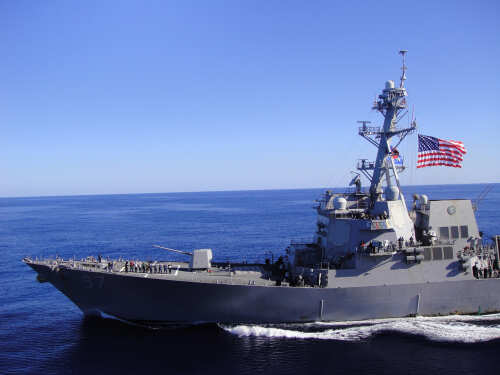
The Trump administration’s decision to use lethal military strikes against suspected drug-running boats is turning America’s fentanyl fight into a direct, high-stakes campaign at sea.
Quick Take
- U.S. Southern Command says a “lethal kinetic strike” hit a low-profile vessel in the eastern Pacific, killing three suspected traffickers.
- The strike is part of a broader series of maritime attacks that began in early September 2025 across the eastern Pacific and Caribbean.
- Reported totals vary by outlet and timing, but coverage describes dozens of strikes and a cumulative death toll in the high hundreds.
- Officials describe targets as “narco-terrorists” tied to designated terrorist organizations, though public evidence is limited to military statements and released video.
What happened in the latest eastern Pacific strike
U.S. military forces operating under U.S. Southern Command reported that a low-profile vessel on known narco-trafficking routes in the eastern Pacific was struck and destroyed, killing three men described as “narco-terrorists.” Publicly released footage showed the boat erupting into flames after impact. The strike adds to an ongoing pattern of similar engagements, with recent reports describing multiple back-to-back incidents over several days.
Reporting on the exact timing differs across outlets, with the same incident described as occurring on different days. That discrepancy appears tied to publication windows and the rapid pace of operations rather than a clear contradiction about the core fact that three people were killed in the latest strike. No U.S. personnel injuries were reported in the coverage summarized in the research.
A campaign that escalated from interdiction to destruction
U.S. counter-narcotics activity in these waters is not new, but the research describes a shift since early September 2025 toward repeated “lethal kinetic strikes” rather than traditional interdictions and seizures. The stated aim is to disrupt maritime drug flows heading toward the United States, a message closely linked to domestic anger over fentanyl deaths and cartel violence. For many voters, the escalation reads as enforcement replacing years of rhetoric.
Numbers, however, remain hard to pin down from public reporting alone. Different accounts cite different totals for both the number of vessels struck and the cumulative number of people killed, likely because the campaign is ongoing and outlets are capturing different snapshots in time. The research cites tallies ranging across dozens of strikes and death toll estimates that vary meaningfully, underscoring that a single definitive figure is not yet consistently established.
“Narco-terrorists” and the limits of what the public can verify
U.S. statements described those killed as “narco-terrorists” and, in some instances, as males affiliated with designated terrorist organizations. That framing matters because it signals a broader national-security justification beyond drug enforcement. At the same time, the publicly available detail in the research is largely limited to official statements and video of impacts and burning vessels, not independently verified evidence of cargo, identity, or organizational ties.
One reason skepticism persists across the political spectrum is the gap between the certainty of official labels and the limited transparency available to ordinary citizens. Conservatives often support decisive action against cartels, but they also tend to demand clear rules, accountability, and a definable mission. Liberals who distrust military force abroad will likely press even harder on due process and human-rights questions. Neither side gets many satisfying specifics from short operational updates.
Political and policy stakes at home: enforcement, borders, and accountability
President Trump publicly endorsed the strikes in a statement that linked the operations to stopping fentanyl and punishing “violence and terrorism.” That approach fits the administration’s broader “America First” posture: disrupt threats before they reach U.S. communities and treat transnational criminal networks as national-security actors. Supporters see a government finally using its power to defend citizens; critics see escalation with uncertain long-term effects.
U.S. strike hits alleged drug boat, killing 3 and bringing death toll up to at least 181 https://t.co/CHVscfvcom
— The Washington Times (@WashTimes) April 20, 2026
The bigger unresolved question is effectiveness. The research notes possible long-term consequences, including traffickers adapting routes or tactics, and it flags the legal and strategic debate over lethal strikes compared with capture-and-seizure interdictions. Without more independently verifiable reporting on what was stopped—drugs seized, networks dismantled, routes abandoned—the public is left weighing forceful imagery against limited measurable outcomes, a familiar frustration in modern federal policy.
Sources:
US strikes alleged drug boat in eastern Pacific, killing 3
3 killed latest US strike alleged drug boat eastern Pacific