Lawyers for the man accused of killing Charlie Kirk are pressing to hide evidence and close part of a key hearing, a move that raises familiar concerns about transparency, accountability, and the public’s right to watch major criminal cases unfold.
Quick Take
- Defense lawyers for Tyler Robinson asked the court to seal evidence and close portions of a hearing in the Charlie Kirk murder case [1].
- A judge previously rejected a request to ban cameras from the courtroom, preserving media access [2].
- Earlier reporting said the defense sought more time because of the volume of discovery, which the court linked to the need for additional preparation .
- The case also includes a defense claim that prosecutors violated a standing gag order, adding another dispute over what can be said publicly [1].
Defense Pushes for More Secrecy
Tyler Robinson’s attorneys returned to court seeking to close part of a hearing and seal some evidence in the case tied to Charlie Kirk’s killing [1]. The request follows earlier defense efforts to narrow public access as the case moves through pretrial proceedings. For conservatives who value open courts and equal justice, the timing matters because high-profile cases often become political theater when lawyers try to control what the public can see.
The legal argument centers on fair-trial rights, with the defense saying public exposure could prejudice the proceedings before a jury is even selected [1]. That is a standard defense position in a case attracting heavy attention, but it does not automatically outweigh the public’s interest in open judicial process. A judge has already signaled that cameras should not be categorically banned, which suggests the court is trying to balance access with case management rather than shut the doors completely [2].
Judge Keeps Cameras In Play
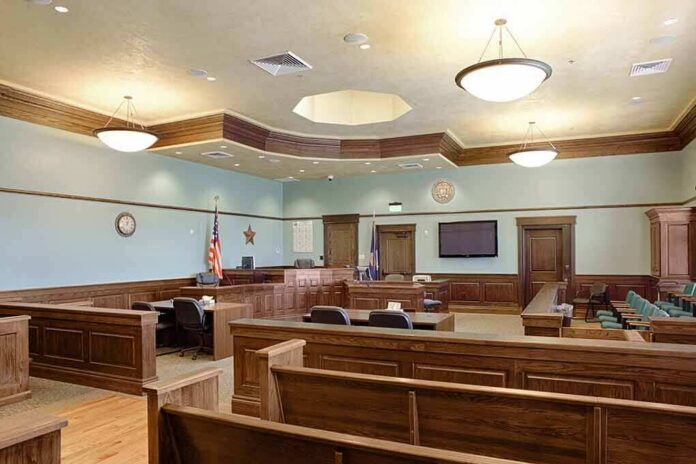
A Utah judge previously rejected the request to ban cameras, microphones, and still photographers from the courtroom [2]. According to the ruling, there was not enough reason to block media coverage across the board, and electronic access was described as a way to support the public’s right to attend court proceedings [2]. That is a significant point in a case drawing national attention, because courtroom openness helps prevent one-sided narratives from taking root behind closed doors.
The same judge also addressed the practical realities of the case, including the large amount of discovery already turned over to the defense . Reporting on the hearing said the court granted a continuance of the preliminary hearing and tied that delay to the volume of files and the need for more preparation time . In plain terms, the case is moving slowly because it is large, sensitive, and heavily watched, not because one side has a blank check to control the narrative.
Gag Order Dispute Adds Another Layer
The sealing fight does not stand alone. Earlier reporting said Robinson’s attorneys filed a motion claiming Utah County Attorney Jeff Gray and his staff violated a standing gag order [1]. That kind of allegation turns routine pretrial sparring into a broader dispute over who can speak publicly and how far prosecutors can go when the media spotlight is intense. Courts routinely have to separate legitimate legal argument from attempts to manage headlines.
Full Story: Defense Wants Certain Evidence Hidden in Charlie Kirk Assassination Case🚨Plus, prosecutors said they plan to introduce a recorded video statement from Lance Twiggs, described in court as Tyler Robinson’s romantic partner, during Robinson’s preliminary hearing…
— Lauren Conlin (@conlin_lauren) May 19, 2026
For the public, the larger issue is simple: open courts protect the legitimacy of the justice system, especially when a case involves a nationally known figure and emotions run high. Judges can seal specific evidence when needed, but blanket secrecy is another matter entirely. The current rulings suggest the court is not embracing total lockdown, even as the defense keeps pushing for narrower access [2]. That is the kind of restraint conservatives should expect when constitutional process is on the line.
Sources:
[1] Web – Utah prosecutors push back against contempt motion in Charlie Kirk …
[2] Web – Judge rejects request to ban cameras in court from man charged …