A new tariff threat by President Trump pushes Europe to the brink of a trade war, raising alarms about sovereignty and economic stability.
Story Highlights
- President Trump threatens 25% tariffs unless Greenland is ceded to the US.
- European leaders label the tariffs as “blackmail” and prepare countermeasures.
- Germany and France lead the European response against US demands.
- Potential escalation could disrupt transatlantic economic ties and NATO relations.
Trump’s Unyielding Tariff Threats
On January 17, 2026, President Donald Trump announced a potential 25% tariff on European nations, including Denmark, unless Greenland is ceded to the United States. This demand has been described as “blackmail” by European officials who are preparing to take unified countermeasures. The European response, led by Germany and France, aims to protect their sovereignty against what they perceive as an economic coercion tactic.
Germany’s Vice Chancellor Lars Klingbeil and France’s Finance Minister Roland Lescure stressed the importance of a decisive response to the US’s territorial demands. At a press conference in Berlin on January 19, 2026, they outlined possible actions, including suspending existing US tariff deals and reactivating suspended EU tariffs on American imports. This bold stand marks a significant moment in transatlantic relations, emphasizing Europe’s commitment to defending its principles and economic stability.
Watch:
European Unity Against Economic Coercion
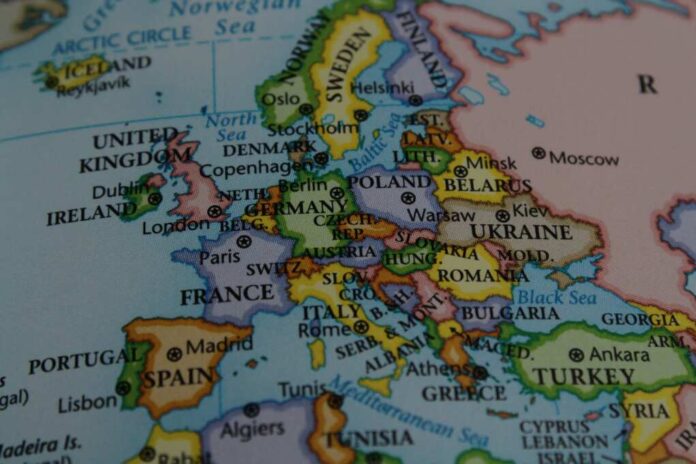
The threat has united European nations in a rare show of defiance. A joint statement from Britain, Denmark, Finland, France, Germany, Netherlands, Norway, and Sweden warned against the risks to transatlantic ties. This unified stance highlights the significance of Greenland’s strategic value, rich in Arctic resources and vital shipping routes, and the importance of respecting its autonomy under Danish governance.
In response to the US’s aggressive foreign policy moves, including recent military actions in Venezuela, European leaders are considering deploying the EU’s Anti-Coercion Instrument. This instrument, unused until now, is designed to counteract economic coercion, reflecting the serious nature of the current US-Europe tensions.
Potential Impact on Global Relations
The imposed tariffs, if activated, could disrupt €93 billion in trade flows, affecting industries and economies on both sides of the Atlantic. In the short term, this could escalate into a full-blown trade war, with long-term implications potentially weakening transatlantic trust and accelerating Europe’s push for strategic autonomy and rearmament.
BREAKING – Europe preparing countermeasures to Trump 'blackmail': Berlinhttps://t.co/htm7TQY5dZ
— Insider Paper (@TheInsiderPaper) January 19, 2026
The situation underscores broader concerns about the fragility of international alliances and the balance of power in the Arctic region. As Europe prepares for the upcoming EU leaders summit and G7 finance ministers meeting, the global community watches closely to see how this geopolitical tension will unfold and shape the future of international relations.
Sources:
France24: Europe readying steps against Trump tariff ‘blackmail’ on Greenland: Berlin
Euronews: Europe is permanently vulnerable to blackmail; it must rearm
NBC Right Now: Europe readying steps against Trump tariff ‘blackmail’ on Greenland: Berlin
Ahram: Europe preparing countermeasures to Trump ‘blackmail’