Federal enforcement clashes with Minneapolis leaders ignite tensions, spotlighting sanctuary policies and constitutional debates.
Story Highlights
- A U.S. Border Patrol agent fatally shot Alex Pretti amid a DHS operation in Minneapolis.
- The incident sparked protests, with injuries and legal challenges following.
- Criticism targets Mayor Frey and Gov. Walz for allegedly inciting violence.
- Chad Wolf blames local policies for exacerbating the unrest.
Federal Operations in Minneapolis: A Tense Encounter
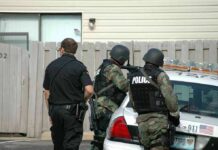
On January 24, 2026, during a critical DHS-targeted operation in Minneapolis, a U.S. Border Patrol agent shot and killed Alex Pretti, a nurse and veteran. Pretti, reportedly armed, approached law enforcement with a 9mm handgun, leading to a defensive response. This operation was part of broader federal enforcement efforts against illegal immigration, a priority under President Trump’s administration. The incident has significantly heightened the already tense relationship between federal forces and local Minneapolis leadership.
The shooting quickly escalated into protests involving hundreds of people. Demonstrators obstructed law enforcement and resorted to violence, resulting in injuries, including one agent losing a finger. DHS Secretary Kristi Noem labeled the act as “domestic terrorism,” reflecting the administration’s tough stance on immigration and federal authority. The protests underscore the friction between federal enforcement initiatives and local sanctuary policies, which some claim undermine public safety and constitutional rights.
Political Blame and Sanctuary Policies
Criticism has been directed towards Minneapolis Mayor Jacob Frey and Minnesota Governor Tim Walz. Both have been accused of using rhetoric that incites violence against federal officers. Former DHS Acting Secretary Chad Wolf highlighted these local policies as contributory to the chaos, arguing that they worsen the city’s safety and order. The Trump administration’s immigration policies, which prioritize aggressive enforcement in sanctuary cities, are designed to uphold the rule of law but face significant resistance from local leaders.
Federal officers are tasked with enforcing immigration laws, but face challenges from local entities. These tensions have resulted in legal battles, with Hennepin County Attorney Mary Moriarty filing lawsuits to prevent evidence destruction in the Pretti case. This legal maneuver, supported by State Attorney General Keith Ellison, aims to ensure accountability and transparency, while also challenging federal practices seen as overreaching.
Legal and Social Implications
The aftermath of the shooting and the protests continue to reverberate throughout Minneapolis. The federal investigation into the incident is ongoing, and legal proceedings are set to unfold in court. These events highlight the broader national debate on immigration enforcement, particularly in cities that have declared themselves sanctuaries. As tensions rise, the Trump administration may consider invoking the Insurrection Act to maintain order, a move that would further escalate the situation.
'Frey and Walz are making it worse': Chad Wolf on armed man shot in Minneapolishttps://t.co/BfuvfUCxB9
— Jukka Hupli (@JHupli) January 25, 2026
Long-term implications include increased scrutiny on sanctuary city policies and potential federal intervention. The incident has fueled political polarization, with implications for upcoming elections. The situation in Minneapolis serves as a microcosm of the national conflict between federal authority and local governance, a conflict that resonates deeply with constitutional debates about states’ rights and federal oversight.
Sources:
Noem says Minneapolis suspect committed domestic terrorism, accuses Walz and Frey of inciting violence
Judge blocks Trump administration from destroying or altering evidence in deadly Minneapolis shooting
Chad Wolf says Minneapolis leaders making situation worse