
An Afghan national’s alleged attack near the White House reignites debates on Biden-era vetting failures, prompting Trump to halt Afghan immigration.
Story Highlights
- An Afghan national, Rahmanullah Lakanwal, allegedly shot two National Guardsmen near the White House.
- President Trump halted Afghan immigration and ordered a reassessment of post-2021 arrivals.
- Shooting raises questions about Biden-era vetting processes, deemed a “lie” by critics.
- The incident has intensified political debates over refugee vetting and national security.
Shooting Incident Spurs Immigration Crackdown
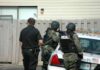
In late November 2025, Rahmanullah Lakanwal, an Afghan national and former CIA collaborator, allegedly shot and wounded two National Guardsmen near the White House. This incident has prompted President Trump to take immediate action by halting Afghan immigration and ordering a comprehensive reassessment of all Afghan arrivals since 2021. The shooting has sparked a firestorm of criticism, focusing on what many see as the failures of Biden-era vetting processes that have allowed potentially dangerous individuals entry into the U.S.
Two Soldiers Shot in DC Near White House:
The National Guard shooting suspect is reportedly identified as 29-year-old Rahmanullah Lakanwal, an Afghanistan citizen. Law enforcement sources tell ace journalist Julio Rosas, “A National Guardsman, who was not armed with a firearm,… pic.twitter.com/Xsiy5zEBSd— Ryan Williams (@koreanscot) November 27, 2025
This decision underscores the ongoing debate over the effectiveness of refugee vetting systems established during the Biden administration. Critics argue that the rushed evacuation and subsequent resettlement of Afghans after the 2021 U.S. withdrawal from Afghanistan were fraught with security oversights. Despite Lakanwal’s CIA ties, his alleged actions have reignited concerns about the adequacy of screenings and the potential for dangerous individuals to slip through the cracks.
Vetting Processes Under Scrutiny
The chaotic evacuation of approximately 90,000 Afghans in 2021 through Operation Allies Welcome (OAW) has been a point of contention. Reports from the DHS Office of Inspector General in 2022 revealed gaps in the vetting process, including missing critical data. Allegations have surfaced that the State Department overrode FBI concerns, leading to the admission of individuals with derogatory information. These revelations have fueled accusations that the vetting was a “free-for-all,” with insufficient checks on the evacuees’ backgrounds.
Senators such as Josh Hawley have been vocal critics, highlighting whistleblower revelations of numerous evacuees with security concerns. This has been compounded by findings that some individuals admitted under the OAW program were on terrorism watchlists. The recent shooting has only intensified calls for a thorough reevaluation of the vetting process and the policies that facilitated the rapid resettlement.
Political and Social Implications
The implications of the shooting and subsequent immigration halt are vast. In the short term, there is a heightened focus on the security and vetting of refugees, with political hearings and inquiries likely to follow. Long-term repercussions could include potential mass deportations and significant reforms to the Special Immigrant Visa (SIV) and OAW programs. The incident also threatens to erode public trust in the government’s ability to vet refugees effectively.
🚨 THIS IS WHY WE STOOD UP AGAINST RADICAL ISLAMIFICATION IN DEARBORN!!!! 😳
The Afghani immigrant Muslim RAT BASTARD:
Rahmanullah Lakanwal, 29
Murdered TWO National Guardsmen in cold blood today with execution style point blank HEADSHOTS!!!
See you in December 13th Texas!!😡 pic.twitter.com/B0OmfhOUWU
— Jake Lang – January 6 Political Prisoner 🇺🇸 (@JakeLang) November 27, 2025
The Afghan resettlement community, already under scrutiny, may face increased stigma and challenges as a result of this incident. National security concerns are at the forefront, with critics arguing that the Biden administration’s policies have jeopardized the safety of U.S. citizens and law enforcement officers.
Sources:
Refugee Vetting Under Renewed Scrutiny After D.C. Shooting – WCTI
Ex-FBI Special Agent Explains Afghan Vetting Failures – Fox News
Fact Check: U.S. Evacuation and Resettlement of Afghan Allies – Turnto10