
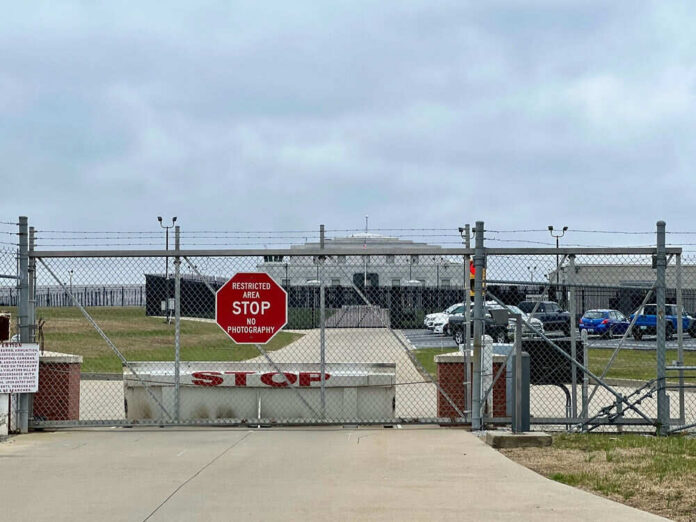
With federal approval in hand, the U.S. Army plans to detonate about five tons of degraded lead azide in Iowa, creating a dust plume that will carry some lead.
Story Snapshot
- The Army scheduled two controlled blasts at the Iowa Army Ammunition Plant around noon on November 20.
- Officials say in-place detonation is the safest option because the material is unstable to move.
- The Environmental Protection Agency authorized the plan under federal hazardous-waste law.
- Public notices warn of loud blasts, vibration, and a lead-containing dust plume; residents got safety guidance.
What the Army Will Do and When
Army officials scheduled two controlled detonations at the Iowa Army Ammunition Plant in Middletown, Iowa, at about noon on November 20. The plan covers 68 barrels of degraded lead azide, totaling roughly five tons. Notices say the material has been stored on site for years and is no longer safe to relocate. The Army’s public advisory calls the action a “planned and controlled” safety operation with a set time window and location.
The Army warned nearby communities to expect loud noise, ground vibration, and a visible dust plume. Officials advised residents in certain areas to leave temporarily between 8 a.m. and 2 p.m. They also urged people to reduce exposure by staying indoors, closing windows, and avoiding outdoor activities downwind. The advisory states the plume will contain some lead and that particles may settle on the ground as dust. The warnings reflect anticipated but time-limited impacts.
Why the Army Chose Detonation in Place
The Army states that in-place detonation is the safest available way to remove the explosive hazard. Officials say the aged lead azide is unusually sensitive and could detonate if moved or disturbed. A spokesperson said the material had dried out and become more volatile than expected, which raised the risk of friction or shock during transport. The Army’s position has been repeated by local and state health agencies that shared the same safety rationale.
Regulators granted federal authorization for the plan. The Army says the Environmental Protection Agency, Region 7, permitted the detonation under the Resource Conservation and Recovery Act. Illinois health officials reported the same, citing coordination with the Environmental Protection Agency because potential impacts could cross state lines. Public materials did not list the permit number or technical conditions, but they confirm that the agency approved the disposal method.
Health Risks, Precautions, and Open Questions
Lead exposure can harm the brain and nervous system, especially in children. That is why the Army and health agencies emphasized steps to cut exposure. Notices say the detonation will release some lead in a dust plume and that wind will shape where it travels. Officials advised residents on sheltering and evacuation to reduce risk during the short operational window. They also acknowledged possible ground deposition that may call for careful cleaning of outdoor surfaces.
Pediatrician's take and advice on the anticipated detonation of 10000 pounds of lead azide in Iowa. https://t.co/VcnofndDn8
— Dani (@daniliz777) November 19, 2026
Public records so far do not give a numeric estimate of how much lead may enter the air or settle off site. They also do not include the dispersion model inputs or the post-blast testing plan. Weather can shift a plume, which adds uncertainty to how far and where dust will travel. Those gaps do not change the schedule, but they limit what residents can know in advance about specific concentrations and cleanup steps after the operation.
How This Fits a Larger Pattern
Military sites have long used open detonation to handle unsafe explosives when other options pose higher risk. This operation follows that practice but moves some risk from a storage area to a wider, short-term zone downwind. The tradeoff is clear: reduce the chance of an accidental, uncontrolled blast by conducting a planned one, while managing the lead dust that results. Agencies on both sides of the Mississippi River are watching because the plume could cross state lines.
Sources:
cbsnews.com, army.mil, api.army.mil, cbs8.com, dph.illinois.gov, johnsoncountyiowa.gov, desmoinesregister.com