Tourists described sprinting for cover and hiding in darkened shops as gunfire in Krakow’s Main Square left six people dead.
Story Highlights
- Visitors reported fear, confusion, and quick decisions to run and hide.
- Witnesses said staff locked doors and turned off lights as shots rang out.
- Authorities and media placed the attack in Krakow’s busy Main Square.
- Initial reports varied on the death toll before settling at six.
Tourists Describe Moments of Panic and Flight
Associated Press reporting captured tourists’ shock, disbelief, and sadness after the shooting in Krakow, Poland. A visitor from Brussels wrote that they “ran for our lives” and hid as “bullets [were] flying around.” A traveler from Greece said he could not return to his lodging for five hours and felt afraid. A British tourist told the BBC the scene “doesn’t feel real,” and said he ducked through a doorway to take refuge.
Other visitors described the split-second pivot from normal sightseeing to survival. One tourist first thought loud bangs were fireworks, then followed crowds into a gift shop. Staff led people to the back, locked the doors, and shut off the lights as the danger grew outside. These accounts show how fast people in a public square must choose between running, hiding, or freezing when shots erupt nearby.
Main Square Setting Heightened Exposure for Visitors
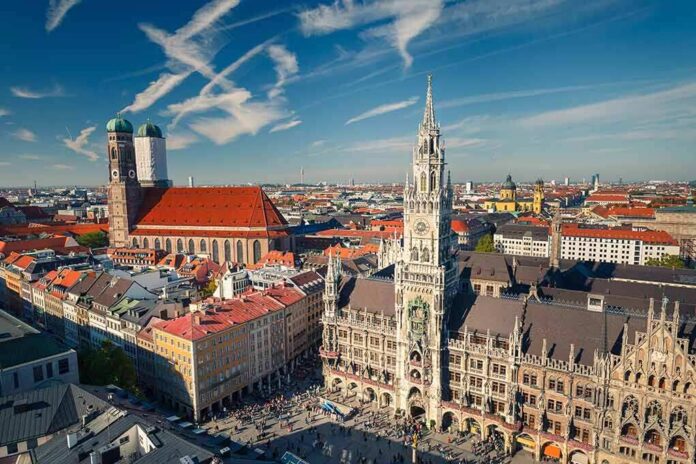
Reports located the attack in Krakow’s Main Square, one of Europe’s most visited plazas. The square’s shops, cafes, and landmarks draw steady global crowds. That setting explains why so many tourists gave firsthand accounts of fear and sheltering in place. Polish officials said the attack was a rare mass killing, which added to the shock for locals and travelers who expect the square to be safe and lively at night.
Published updates shifted the casualty count as officials processed the scene and hospitals treated the wounded. Early headlines listed five dead and at least twelve injured. Later reports put the toll at six dead and fifteen injured. This kind of change is common during fast-moving crises and does not alter what tourists described feeling in the moment—alarm, confusion, and a rush to find safety.
How Eyewitness Stress Shapes What People Recall
High-stress moments can affect memory for details even when the core feeling is clear. Research reviews find that strong stress often harms recall of a perpetrator and specific actions. People remember fear and flight well, but may misjudge sounds, timing, or distance. That pattern fits the Krakow accounts: vivid descriptions of running and hiding paired with limited detail on exact locations or sequences as the violence unfolded.
**A licensed 24-year-old with far-right fixations killed his parents and sister at home, then drove 160 km to spray Kraków’s packed main square from a moving car before police stopped him.**[[1]](https://t.co/fzVNQFiim9)
[Take 2/15 · G-2]
### 1. The Frame
**What people think…— GrumpyNews, emotionally clean news. (@GrumpyNews_) November 8, 2026
The reports do not claim to measure every tourist’s reaction. They document that some visitors felt immediate danger and took cover. That evidence matters for public safety planning in crowded landmarks. Clear alerts, fast police response, and trained shop staff can save lives when violence strikes. In Krakow, the quick move to lock doors and darken rooms likely reduced exposure and gave people a few more crucial layers of protection.
Sources:
youtube.com, apnews.com, washingtonpost.com, bbc.com, inquirer.com