Two new federal lawsuits over the ICE shooting of Renee Good put government power and public trust on a collision course.
Story Snapshot
- Good’s family filed two lawsuits in federal court on October 1, 2026.
- The suits name the United States and several federal officials and agents.
- Family alleges excessive force; officials say the officer fired in self-defense.
- Investigations by the Federal Bureau of Investigation and state officials followed the shooting.
What Was Filed And Why It Matters
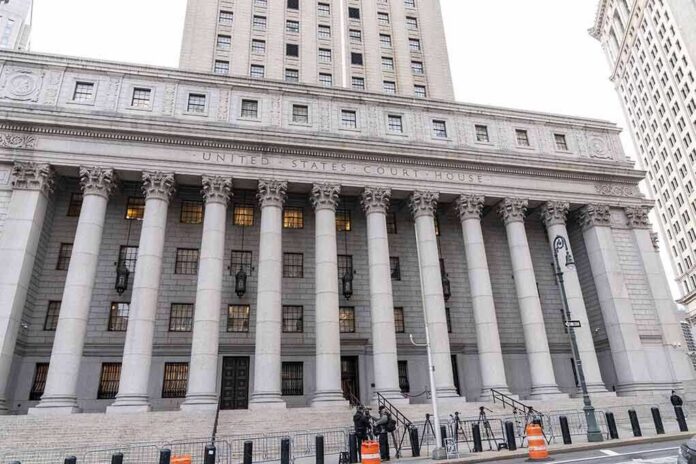
Attorneys for Renee Good’s family filed two cases in the United States District Court for the District of Minnesota on October 1, 2026. One complaint seeks damages from the United States under the Federal Tort Claims Act. The other pursues civil-rights claims and conspiracy allegations against named officials and agents, including the officer who fired the shot. Both suits argue that deadly force was not justified during the January 7, 2026 encounter in Minneapolis.
Reporters identify Immigration and Customs Enforcement officer Jonathan Ross as the shooter. Coverage says he is named as a defendant in at least one complaint. The family’s filings claim Ross stood near Good’s vehicle and used lethal force when she posed no imminent threat. Their theory is that officers escalated and then fired without lawful cause. The complaints seek accountability and damages for wrongful death and related harms under federal and state law.
Competing Accounts Of The Shooting
The government’s version states Good tried to use her sport utility vehicle as a weapon. The Department of Homeland Security described the event as an officer responding in self-defense after a life-threatening move by Good. Public statements from senior officials echoed that claim, saying the agent feared for his life and followed training. Those assertions stand in direct conflict with the family’s claim that Good posed no imminent threat when she was shot.
Public records and reporting show some evidence beyond press statements. Local and national outlets described 911 calls, videos, and minute-by-minute timelines that outline the moments around the shooting. Federal Bureau of Investigation agents and the Minnesota Bureau of Criminal Apprehension opened reviews, a standard step after a law-enforcement shooting. At the time of those reports, no criminal charges had been announced against the agents involved.
The Legal Hurdles Ahead
Wrongful-death claims against the United States must navigate sovereign-immunity rules in the Federal Tort Claims Act. Plaintiffs also face high bars when suing individual federal officers for civil-rights violations. Courts often ask whether an officer reasonably believed there was an imminent threat when using deadly force. That standard can make these cases hard to win, even when families point to videos or timelines that raise tough questions.
Family of Renee Good sues US government and Trump officials over her death
Renee Good’s family has filed two civil lawsuits over her fatal shooting by ICE agent Jonathan Ross, Minnesota court records show. https://t.co/m1uweITu8O
— Sjoerd Nolf (@SjoerdNolf) October 1, 2026
Naming senior officials can draw attention but also triggers defenses based on immunity and causation. Judges may narrow the suits early if the pleadings do not tie each named official to the operation and decisions on the ground. That could leave the core question to a smaller set of defendants: did the shooting officer act within the law, based on what he perceived in the moment, or did he cross the line into excessive force?
Why This Case Resonates Nationally
Families who lose loved ones in federal operations often feel the system protects itself first. Supporters of strong enforcement say the job is dangerous and split-second threats are real. In this case, both views track with a larger trend: growing anger that Washington’s leaders, from either party, do not deliver clear facts or accountability. Transparent evidence, including videos, dispatch logs, and investigative findings, will be key to restoring trust, whatever the courts decide.
Sources:
washingtontimes.com, nytimes.com, washingtonpost.com, mprnews.org, thehill.com, cpr.org, pbs.org, abc.net.au, abcnews.com