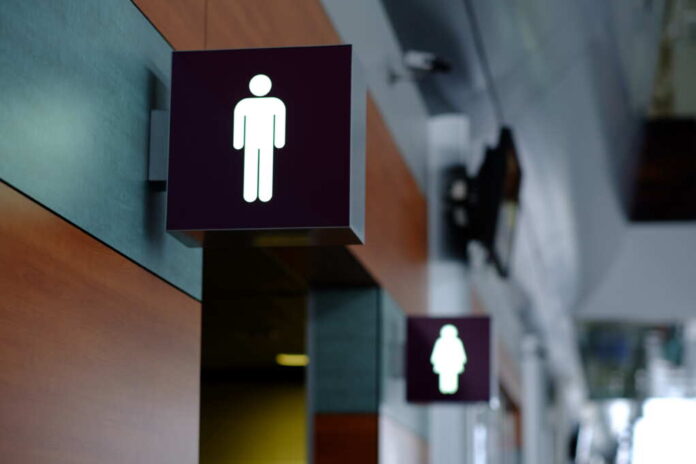
A legal battle over Idaho’s strict new bathroom law is intensifying, as transgender plaintiffs fight statutes they argue threaten their basic rights, safety, and privacy—while state officials defend the law as a necessary move to protect all students.
Story Overview
- Transgender students and advocacy groups are suing to overturn Idaho’s restrictive bathroom laws, citing safety and constitutional violations.
- The Ninth Circuit upheld the law in March 2025, but new lawsuits are targeting expanded restrictions set to take effect in July.
- Supporters argue the law is essential for privacy and safety, while legal and civil rights experts warn of significant harm to transgender youth.
- Ongoing legal challenges could shape national precedent on transgender rights and state authority in education.
Idaho’s Bathroom Law Sparks Legal Showdown
Idaho’s SB 1100, first passed in 2023, restricts access to bathrooms and gendered facilities in public schools based on sex assigned at birth. The law’s reach expanded in 2025 through HB 264, which will soon apply the same restrictions to all state-run facilities, including universities and correctional institutions. Plaintiffs—transgender students, student groups, and advocacy organizations —have filed lawsuits, arguing the statutes violate their constitutional rights, compromise safety, and force individuals to involuntarily disclose their transgender status. These cases target both the original school-focused law and its broader expansion, which is set to take effect July 1, 2025.
Many legal observers note that Idaho’s laws are among the strictest bathroom restrictions in the United States, drawing attention for allowing lawsuits against institutions that do not comply and limiting single-occupancy accommodations to an exception rather than a standard offering. By July 2025, new lawsuits are already challenging the expanded law, especially its impact on university students. Plaintiffs say the measures endanger transgender youth by exposing them to harassment and forcing them to reveal their status, which could lead to increased bullying or mental health strain.
Supporters Defend Law as Safeguard for Privacy and Safety
Idaho lawmakers and supporters of the bathroom restrictions maintain that these statutes are necessary to protect privacy and ensure the safety of all students. They argue that requiring bathroom use based on sex assigned at birth prevents uncomfortable or potentially unsafe situations in shared facilities. State officials point to legislative authority and the need to respect the concerns of families and communities who want clear, enforceable rules in public institutions. Rep. Barbara Ehardt and other lawmakers have emphasized that the law reflects the will of Idaho voters and upholds traditional values by defining gendered spaces in a way they consider consistent with biology and privacy expectations.
From a conservative standpoint, the law’s supporters see it as a defense against what they view as overreach from activist judges or advocacy groups. They argue that families should not be forced to accept policies that undermine their beliefs or place their children in uncomfortable situations. However, advocacy organizations and plaintiffs counter this by emphasizing the disproportionate harm suffered by transgender individuals, especially youth, who may be left with no safe or private alternative.
Federal Courts and Civil Rights Groups Clash over Constitutionality
The legal landscape remains unsettled. In March 2025, the Ninth Circuit Court of Appeals affirmed a lower court’s decision denying an injunction against Idaho’s SB 1100, allowing the law to stand for now. Civil rights organizations such as the ACLU of Idaho and Lambda Legal have condemned the law as discriminatory and damaging, warning of lasting psychological and educational harm for transgender youth. These groups argue the statutes violate the Equal Protection Clause and Title IX, which prohibits sex-based discrimination in federally funded education programs.
Transgender plaintiffs challenge Idaho bathroom law with new complaint https://t.co/ifTD5AbKSP
— Fox News (@FoxNews) August 3, 2025
Legal experts point out that, while the Ninth Circuit decision is significant within its jurisdiction, it does not end the debate. The Supreme Court has not yet issued a definitive ruling on the issue of transgender bathroom access, and lower courts across the country remain divided. As a result, Idaho’s legal battle could set an influential precedent: if the restrictions are ultimately upheld, similar laws could proliferate in other states; if struck down, it could mark a turning point for transgender rights nationwide.
Sources:
AALRR: Idaho School Restroom Access Law
ACLU Idaho: HB 264 Fact Sheet
AOL: Lawsuit Challenges Idaho Restrictions
Lambda Legal: Lawsuit Seeks to Block Discriminatory Restroom Ban in Idaho Universities