
Trump’s special envoy has landed in Israel, and for once, the White House is demanding answers instead of offering excuses—Americans deserve to know exactly where their money is going as Gaza teeters on the brink and politicians squabble over what even counts as famine.
Story Highlights
- Trump’s Middle East envoy Steve Witkoff arrives in Israel for urgent talks over Gaza’s humanitarian disaster and stalled ceasefire negotiations.
- U.S. officials, including Ambassador Mike Huckabee, set to visit Gaza for the first direct American assessment since the escalation.
- President Trump publicly disagrees with Netanyahu over the reality of starvation in Gaza, raising eyebrows and pressure on Israel’s government.
- International agencies warn of famine as deaths mount, while U.S. taxpayers foot the bill for aid amid a deadlocked peace process.
Trump’s Envoy Touches Down: American Dollars, American Demands
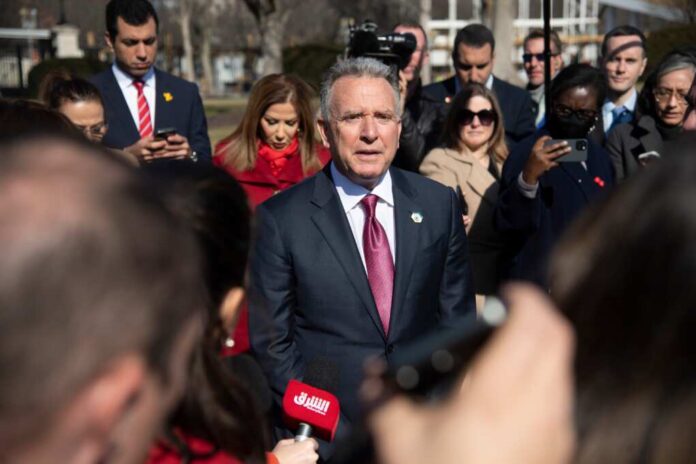
Steve Witkoff, President Trump’s newly minted special envoy to the Middle East, touched down in Tel Aviv this Thursday with a mission that’s as blunt as it is overdue: find out what’s really happening in Gaza, and make sure American aid isn’t being funneled into another endless, unaccountable crisis. With U.S. Ambassador Mike Huckabee at his side, Witkoff will not only sit down with Israeli Prime Minister Benjamin Netanyahu, but plans to cross into Gaza itself—an unprecedented move after months of bureaucratic hand-wringing and international finger-pointing. The timing couldn’t be sharper, as deaths among Palestinians waiting for food are being reported even as Israel and Hamas continue to play a deadly game of chicken with each other and, frankly, with the world’s patience.
This isn’t just another symbolic visit from a parade of diplomats who love nothing more than “listening tours” and “fact-finding missions.” This time, Trump’s team is on the ground, and the White House is drawing a clear line: deliver results or stop expecting American taxpayers to bankroll an endless humanitarian money pit. The Biden-era fantasy of writing blank checks with no accountability is over, and it’s high time the world noticed.
Famine or Fiction? Trump and Netanyahu Clash Over Gaza Reality
The most jaw-dropping moment in this saga isn’t just the humanitarian disaster itself—tragic as it is—but the public spat between President Trump and his supposed Israeli ally, Benjamin Netanyahu, over whether Gaza is actually facing famine. Trump, never one to mince words, acknowledged the “real starvation” plaguing Gaza, while Netanyahu’s government insists there’s no famine at all. This isn’t just a minor disagreement; it’s a full-blown diplomatic rift playing out in the open, with American leadership refusing to be gaslit by foreign politicians who want U.S. dollars but none of the oversight.
White House press secretary Karoline Leavitt hammered home the point that the U.S. mission is humanitarian—though, in a refreshing change, not at the expense of common sense or American interests. Trump has said, in no uncertain terms, that the quickest way to end the misery is for Hamas to surrender and release hostages, making it clear that American support for yet another round of Palestinian statehood talks is, for now, off the menu. The message is simple: no more appeasing terrorists, no more pretending that open borders and endless aid will solve problems created by bad actors and weak leadership.
Ceasefire Stalled, Aid Blocked—And Americans Still Paying
The context for Witkoff’s visit is as bleak as it gets. Ceasefire negotiations collapsed last week, with both U.S. and Israeli teams storming out of talks in Qatar. Meanwhile, on the ground in Gaza, the situation is spiraling—food deliveries are down, deaths are up, and the only thing moving faster than the humanitarian crisis is the finger-pointing. The United Nations and a parade of international NGOs warn of mass starvation, especially among children, but the only concrete action so far has been yet another round of American aid, delivered under the ever-watchful eyes of politicians more interested in optics than outcomes.
Gaza’s population of 2.1 million is trapped between a collapsing economy, decimated infrastructure, and a cruel blockade that’s lasted since 2007. Every international agency has sounded the alarm, but let’s be honest—Americans have seen this movie before. Endless pleas for more aid, zero accountability, and no progress. The Trump administration is at least willing to call out the farce, refusing to let U.S. dollars be used as a get-out-of-jail-free card for failed leadership—on any side.
Long-Term Impact: U.S. Leadership, Not Blank Checks
The stakes here aren’t just humanitarian—they’re economic, political, and, frankly, a matter of American credibility. Continued deadlock means more suffering in Gaza, but it also means more U.S. taxpayer dollars shipped overseas with no guarantee of impact or reform. Trump’s willingness to challenge Netanyahu’s narrative breaks the old, tired pattern of American leaders rolling over for foreign governments demanding endless handouts. If this approach works, it could mean real accountability for once; if not, it’s just more of the same—on the backs of Americans already struggling under inflation and budget-busting government overreach.
For the people of Gaza, the immediate future hinges on whether U.S. pressure actually opens up the flow of aid and ends the suffering. For Americans, the bigger question is whether anyone in D.C. will finally treat their hard-earned money with the respect it deserves, demanding real results instead of falling for every emotional plea and bureaucratic boondoggle. Trump’s envoy in Israel might just be the first sign that the era of endless, unaccountable aid is finally coming to an end.