President Trump said he would bomb Oman if it blocks reopening the Strait of Hormuz, sharpening a high-stakes fight over who controls a vital global waterway.
Story Snapshot
- Trump warned Oman against helping Iran shape Hormuz rules or face U.S. strikes.
- Oman and Iran say talks aim at safe, toll-free passage that respects their sovereignty.
- Reuters says Oman’s plan would avoid Iranian sole control and keep any fees voluntary.
- Legal experts say international law protects transit passage and forbids tolls for mere transit.
What Triggered The Clash
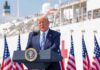
President Trump tied U.S. threats to reports that Oman and Iran were working on new rules for traffic through the Strait of Hormuz. He said the strait must stay open to all and that the United States would not allow any tolls or special control by Iran. He warned that Oman should not “get in the way,” or the United States would strike it, according to major outlets that quoted his remarks and framing.
Iran and Oman confirmed they were in talks about navigation, routes, and services in the strait. Their joint statements stressed safe passage under international law and respect for each country’s own waters. They also said the process was ongoing, with working groups forming to refine details. These messages did not match claims of a final takeover. They pointed to talks that were still moving, with more steps ahead before any final setup.
What Oman And Iran Say They Are Building
Reuters reported that Oman pitched a plan, backed by Gulf partners, that would avoid giving Iran sole control. It said any fees would be voluntary and not a condition to pass. That would align better with long-standing shipping rules. Oman’s foreign ministry also said it was working “intensively” on safe passage arrangements, a sign it wants traffic to flow with clear, predictable rules rather than new choke points or toll booths.
Iranian and Omani officials also described technical steps like mapping route coordinates and drafting a joint statement. They framed these as ways to manage traffic and safety after months of tension and incidents. They did not say the strait would be closed or that Iran would charge mandatory tolls. Instead, they pointed to coordination and safety while insisting their sovereignty be respected, a common point in strait diplomacy.
Why This Waterway Sparks Fights
The Strait of Hormuz carries a large share of the world’s oil and gas. A small rule change can raise shipping costs, fuel prices, and risk premiums. The United Nations Convention on the Law of the Sea protects “transit passage” for ships in such straits. That regime does not allow countries to block or charge for simple transit. The United States has restated that view, warning it will not accept tolls or new control claims by Iran or any partner.
What happened: the 60-day window under June's US-Iran memorandum expired Aug 17 with no deal. Asked about Oman's talks with Tehran over the Strait of Hormuz, Trump told Fox News: "If Oman gets in the way, we'll bomb the s— out of them." pic.twitter.com/q5BpAet0Dh
— Rickle's Remains (@TrippHardin) August 18, 2026
Trump’s threat hits a nerve on both left and right. Many see great powers cutting deals while ordinary people pay higher energy and shipping costs. Others fear that far-off talks will set rules without public debate. Supporters say strong words stop illegal tolls and protect trade. Critics say threats risk a wider war and deepen mistrust with a long-time U.S. partner. Both sides agree the stakes are real, and that clarity and fairness are missing in how rules are made.
What To Watch Next
Watch for a formal Iran-Oman statement on navigation lanes and services. Look for clear language on tolls, inspections, and who manages traffic. Check if “voluntary fees” appear, and whether shippers treat them as optional in practice. Track U.S. responses if Oman’s plan moves ahead. Markets will watch insurance rates and ship routing choices. If routes stay open and toll-free, tensions may ease. If not, the risk of missteps and sudden price spikes will grow.
Sources:
reuters.com, bbc.com, foxnews.com