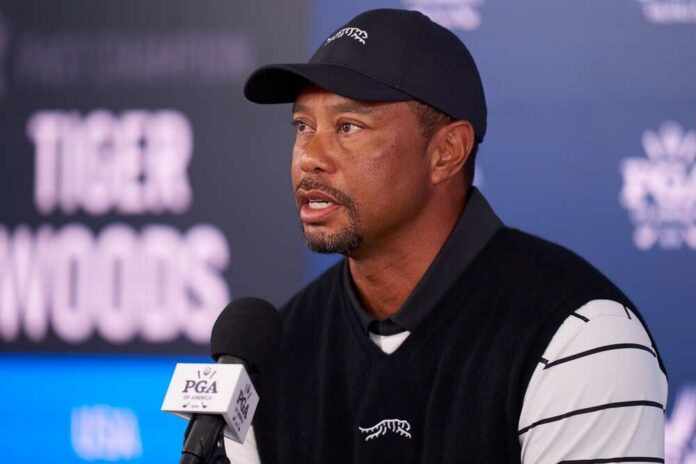
Tiger Woods was arrested Friday on DUI charges after a rollover crash near his Florida home, marking his third impairment-related incident in nine years and raising serious questions about prescription medication use, personal accountability, and whether celebrity status shields individuals from consequences that ordinary Americans face daily.
Story Snapshot
- Woods arrested for DUI, property damage, and refusing a drug test after high-speed rollover crash in Jupiter Island, Florida, just days after playing in TGL finals
- Breathalyzer showed zero alcohol, but sheriff confirmed Woods appeared lethargic and impaired by medication at the scene, echoing his 2017 prescription drug arrest
- This marks Woods’ third car incident since 2017, all linked to impairment or post-surgery recovery, raising concerns about repeat behavior and lack of accountability
- Masters participation now in jeopardy as legal proceedings begin, with potential impacts on sponsorships and PGA Tour credibility in handling athlete misconduct
Third Strike: Pattern of Impaired Driving Incidents
Tiger Woods clipped a truck towing a trailer while attempting to overtake at high speed on South Beach Road in Jupiter Island, Florida, around 1 p.m. Friday, causing his Land Rover SUV to roll onto its driver’s side. Martin County Sheriff John Budensiek confirmed Woods appeared lethargic and impaired at the scene, though a breathalyzer registered zero alcohol. Woods refused a urine test and was arrested on suspicion of DUI, property damage, and refusal to submit to lawful testing. This incident mirrors his 2017 arrest near the same location, when officers found him asleep at the wheel under the influence of prescription medications.
The crash occurred on a narrow two-lane road with a 30 mph speed limit, yet witnesses and investigators described Woods’ approach as high speed. Neither Woods nor the truck driver sustained injuries, though Woods climbed out unaided through the passenger door. The Martin County Sheriff’s Office booked Woods into jail following a 5 p.m. press conference detailing the charges. Woods’ management team at Excel Sports has not responded to requests for comment, leaving fans and critics questioning what led to yet another dangerous situation involving prescription medications and reckless driving.
Accountability and Celebrity Double Standards
For average Americans, a third impairment-related incident would result in severe legal consequences, including mandatory jail time, license revocation, and steep fines. Woods’ 2017 DUI charges were dropped after completing a diversion program, a leniency many working-class citizens rarely receive. His 2021 high-speed rollover crash near Los Angeles, which caused life-threatening leg injuries requiring extensive surgery, resulted in no charges despite evidence of excessive speed. This latest arrest raises legitimate concerns about whether wealth and fame provide insulation from the justice system’s full force, undermining the principle of equal treatment under law that conservatives hold sacred.
Woods underwent his seventh back surgery in October 2024 and hasn’t competed since the 2024 Open Championship, though he played in Tuesday’s TGL finals for Jupiter Links. The timing of this crash, just two weeks before the Masters and amid speculation about his U.S. Senior Open entry, compounds concerns about his judgment and fitness. Sheriff Budensiek emphasized the investigation remains ongoing, but the pattern is clear: Woods has repeatedly operated vehicles while impaired by prescription medications, endangering himself and innocent bystanders. The truck driver could have been seriously injured or killed, a reality that cannot be dismissed by celebrity status or golfing achievements.
Implications for Golf and Broader Culture
The PGA Tour and golf industry face uncomfortable questions about how to handle athletes who repeatedly violate public safety laws. Woods’ potential absence from the Masters and Senior Open would impact tournament revenues and viewership, but financial considerations cannot override public safety and basic accountability. This incident highlights a broader cultural problem: prescription medication abuse and impaired driving remain epidemic issues, yet celebrity cases often receive sympathetic media coverage rather than the condemnation warranted. Americans struggling with similar issues face job loss, financial ruin, and imprisonment, while high-profile figures navigate legal systems with elite lawyers and favorable outcomes.
Woods’ history of post-surgery recovery complications suggests prescription pain management may be a contributing factor, but that explanation does not excuse getting behind the wheel while impaired. Personal responsibility demands making alternative transportation arrangements when medications affect judgment or motor skills. The crash also raises questions about medical oversight: are doctors adequately warning patients about driving risks, or are celebrity patients receiving different standards of care? As legal proceedings unfold, conservatives watching this case should demand equal justice, not special treatment for the rich and famous, while recognizing the serious dangers impaired driving poses to law-abiding citizens on our roads.
Sources:
Tiger Woods involved in Florida rollover crash – ESPN
Tiger Woods involved in car crash in Jupiter, Florida – Golf Channel
Tiger Woods crash: Rollover in Jupiter Island – Los Angeles Times
Tiger Woods has been involved in car crash in Jupiter Island, Florida – Sky Sports
Tiger Woods involved in rollover crash in Florida – ABC News