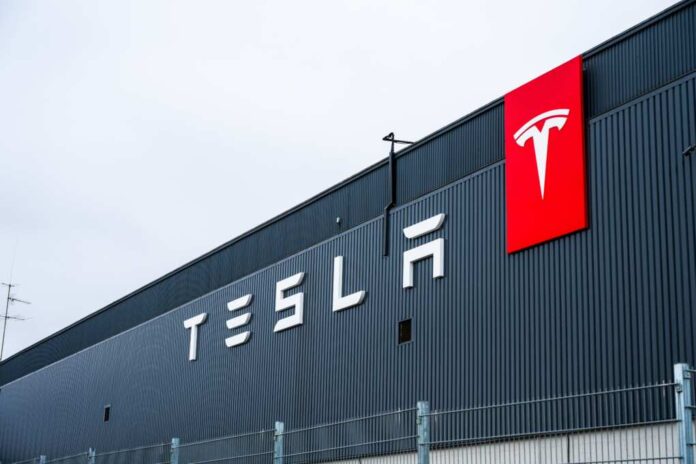
Tesla’s unprecedented decision to publish analyst delivery estimates on its investor website signals the company is bracing investors for disappointing Q4 2025 results—a rare move that exposes the devastating impact of expired federal EV subsidies on American manufacturing.
Story Snapshot
- Tesla made the highly unusual move of publishing analyst consensus projections, signaling weak Q4 2025 delivery numbers
- Federal $7,500 EV tax credit expiration in September created a “tax credit cliff” that artificially inflated Q3 demand and collapsed Q4 sales
- Despite vehicle delivery challenges, Tesla stock gained 14% through December as investors focus on the company’s pivot to autonomous vehicles and AI
- Elon Musk met with President Trump to discuss federal regulatory frameworks for autonomous vehicles through DOGE initiative
Tesla Breaks Protocol With Unusual Market Warning
Tesla departed from standard corporate communication practices by publishing company-compiled analyst projections on its Investor Relations website in late December 2025. This strategic move represents management’s attempt to prepare investors for what market analysts expect to be a sharp year-over-year decline in vehicle deliveries when Q4 results are released January 2, 2026. The timing and rarity of this disclosure underscores the severity of the delivery shortfall Tesla anticipates reporting.
Federal Policy Changes Devastate EV Demand
The root cause of Tesla’s delivery challenges stems from the September 30, 2025 expiration of the federal $7,500 EV tax credit. This policy change created what analysts term a “tax credit cliff,” artificially pulling forward consumer demand into Q3 2025 as buyers rushed to capture the incentive before it disappeared. The credit’s elimination effectively increased Tesla’s prices overnight, creating an inevitable demand trough in Q4 that the company is now managing through unprecedented investor communication strategies.
Strategic Pivot Toward Autonomous Vehicle Future
While navigating near-term delivery challenges, Tesla leadership has repositioned 2026 as “Epic 2026,” emphasizing the commercialization of autonomous Cybercab vehicles and revolutionary manufacturing processes. The company plans to begin Cybercab production at Gigafactory Texas in April 2026, targeting an ambitious 2 million units annually by year-end. Tesla’s proposed “10-second assembly cycle” represents a manufacturing innovation that could fundamentally transform automotive production, though industry skeptics question the feasibility of such claims.
Elon Musk’s late December meeting with President Trump at the White House demonstrates the strategic importance of federal regulatory frameworks for autonomous vehicles. Through the Department of Government Efficiency initiative, Tesla is positioning itself to benefit from federal policies that could accelerate the deployment of unsupervised autonomous vehicles. This regulatory collaboration reflects the Trump administration’s commitment to American innovation and technological leadership in emerging industries.
Market Response Reveals Investor Confidence
Despite anticipated delivery disappointments, Tesla shares gained 14% through December 29, 2025, indicating investor confidence in the company’s long-term autonomous vehicle strategy. The stock’s resilience suggests markets are pricing in temporary weakness while focusing on Tesla’s transformation from traditional automaker to AI and robotics company. This market behavior demonstrates how conservative investors can benefit from supporting American companies that maintain technological leadership despite short-term policy-driven challenges created by previous administrations’ subsidy dependencies.
Tesla just made an 'unusual' move, and it could mean a rough end to the year https://t.co/HdanlsnDLJ
— Jazz Drummer (@jazzdrummer420) December 31, 2025
The expiration of federal EV subsidies ultimately benefits American taxpayers by eliminating wasteful government spending while forcing companies to compete on merit rather than artificial incentives. Tesla’s current challenges reflect the natural market adjustment that occurs when businesses must operate without unsustainable government support, positioning stronger companies for long-term success through innovation rather than subsidy dependence.
Sources:
Tesla Braces for Q4 Delivery Report Amid Unprecedented 2026 Guidance Pivot
Tesla Publishes Delivery Estimates Signaling Weaker-Than-Expected Sales Outlook
Tesla Downbeat Sales Estimate