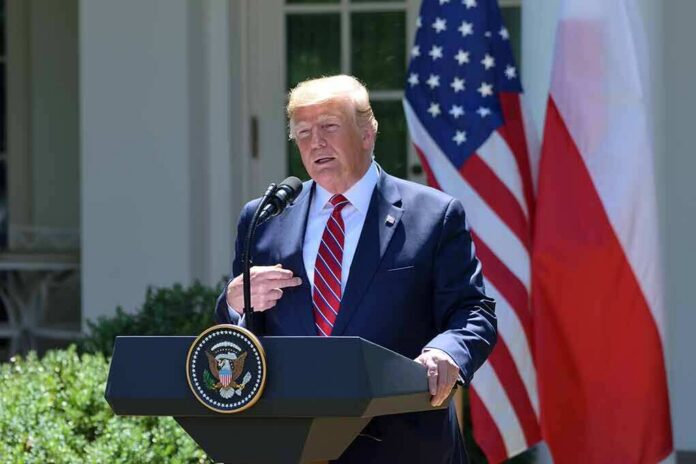
President Trump spoke by phone with Pakistan’s army chief Asim Munir as Munir traveled to Tehran to mediate between the United States and Iran, according to multiple news reports.
Story Snapshot
- Reports say Trump called Gen. Asim Munir during Munir’s Tehran mediation trip.
- Munir’s visit aimed to advance indirect talks between the United States and Iran.
- Regional outlets placed Munir in Tehran for high‑level peace and security meetings.
- Accounts rely on unnamed officials, with no public readout released so far.
What Happened and Why It Matters
News outlets reported that President Trump spoke with Pakistan’s army chief, Gen. Asim Munir, while Munir was in Tehran for mediation talks between the United States and Iran. The call aligned with Munir’s effort to carry messages and reduce risks of a wider fight. The Guardian said Trump praised Munir’s role as a go‑between during a tense period. This kind of backchannel is common in crises and can help avoid missteps that spark war.
Pakistan’s military leader traveled to Tehran for high‑level talks tied to regional peace and security, according to regional reporting. Al Jazeera and other outlets described the trip as part of ongoing attempts to move United States‑Iran contacts forward, even if talks remained indirect. Reports framed Pakistan as a bridge, given its relationships with both Washington and Tehran. That access makes Islamabad a practical messenger in a hard moment.
How Pakistan Became the Go‑Between
Analysts and reporters have chronicled Pakistan’s recurring role as a channel between rivals, stretching from past Cold War linkages to today’s standoffs. That history helps explain why Munir, rather than a foreign minister, is central now. Pakistan’s army holds influence at home and deep ties across the region. Those links can open doors in Tehran that others cannot. The United States benefits when a known actor can quietly pass ideas without public showdowns.
Munir’s Tehran agenda, as described by journalists, focused on easing tensions and testing possible steps toward a limited understanding between the United States and Iran. Outlets reported that his meetings sought to keep channels open while Washington applied financial pressure on Iran and weighed military risks. This mix of quiet talks and visible pressure is a standard crisis playbook. It tries to slow escalation and buy time for a narrow deal, even if a full peace is not near.
What We Know, and What Is Still Not Public
Bernama and Anadolu reported that Trump’s call to Munir happened during the general’s three‑day Tehran trip and linked the outreach to mediation efforts that week. Arab News said Pakistani sources also described contact between Trump and Munir around the visit. The Guardian detailed Munir’s mediator role and said Trump praised his efforts in that capacity. These reports align on the basics: location, timing window, and purpose tied to United States‑Iran talks.
Trump Call to Pakistan Army Chief Asim Munir Before Tehran Visit Sparks Fresh Iran Mediation Questions – A previously unreported phone call between U.S. President Donald Trump and Pakistan’s powerful army chief Asim Munir last week has surfaced just as Munir arrived in Tehran.…
— Planet Today (@PlanetTodayNews) August 24, 2026
The outlets cited unnamed officials and sources, and no official readout has been posted so far. That is common in sensitive diplomacy, where quiet talks can collapse if made public. For citizens watching from both right and left, the takeaway is sober but important: quiet lines can prevent costly wars, yet they also happen out of view. That mix can fuel distrust of elites, but in a crisis, it can also be the guardrail that keeps soldiers and families safe.
Sources:
insiderpaper.com, bernama.com, aa.com.tr, theguardian.com, arabnews.com, washingtontimes.com, pjssrjournal.com