A recent White House video accuses mainstream media of being “shameless propaganda,” igniting discussions on media trust.
Story Highlights
- The White House releases a video accusing the media of propaganda.
- Trust in the media has hit historical lows, with only 28% of Americans expressing confidence.
- Partisan divides deepen, with Republican trust in media dropping to single digits.
- Analysts point to commercialization and political attacks as key factors in declining trust.
White House Challenges Media Credibility
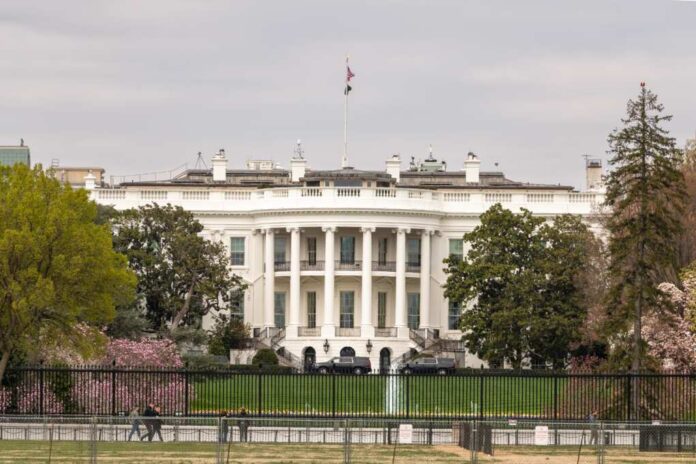
On January 9, 2026, the White House released a video titled “Instead of facts, the media pushed shameless propaganda. That’s why Americans don’t trust them.” This bold statement aimed directly at mainstream media outlets accuses them of systematic bias and aligns with populist rhetoric. The video comes at a time when trust in media is at its lowest, with Gallup reporting only 28% of Americans expressing confidence in newspapers, TV, and radio.
This stark accusation has resonated with many who feel disillusioned by media narratives, particularly conservatives who have long criticized media outlets for biased reporting. The administration’s communication underscores a sentiment that public distrust is a justified reaction to media misconduct rather than partisan attacks or misinformation.
Historical Context of Media Distrust
Trust in the media has been on a steady decline since the 1970s, when it was near 70%. Several factors have contributed to this erosion, including the commercialization and consolidation of news, which have pushed outlets to prioritize engagement over quality. This has resulted in fewer journalists, thinner reporting, and content driven by advertising needs rather than public interest.
Furthermore, the rise of partisan and opinion-driven media has blurred the lines between news and opinion, fostering polarized information ecosystems. Social media has exacerbated this issue by amplifying misinformation and creating echo chambers that reinforce biases and further erode trust in traditional media channels.
Implications and Future Outlook
The ongoing erosion of trust in the media poses significant risks to democratic accountability. A healthy democracy relies on widely accepted sources of factual information. When large segments of the population reject mainstream outlets as propagandistic, shared reality fractures, making it challenging to engage in constructive public discourse.
Instead of facts, the media pushed shameless propaganda. That’s why Americans don’t trust them.
Watch for yourself: pic.twitter.com/w2JXyHjyU0
— The White House (@WhiteHouse) January 9, 2026
Analysts emphasize the need for expanded public media funding and governance reforms to counteract the decline in trust. Public media, such as PBS and local stations, continue to command higher trust levels, suggesting that a publicly funded, non-commercial model may better align with public expectations of independence. However, continued political attacks on media could endanger public media’s funding and independence, further complicating the media trust crisis.
Sources:
Trust in Media Hits New Low
White House Video Accusing Media
Roosevelt Institute on Media Trust Crisis
Misinformation and Democracy