A Coast Guard sniper just helped stop three cocaine-laden “narco‑terrorist” boats in one day off Colombia, underscoring how Trump’s tougher maritime crackdown is finally hitting the cartels where it hurts.
Story Snapshot
- U.S. Coast Guard Cutter Tahoma interdicted three suspected smuggling boats about 90 miles off Cartagena, Colombia, seizing over 6,000 pounds of cocaine in a single day.
- A helicopter sniper used precision fire to disable one non‑compliant vessel’s engines, forcing traffickers to abandon ship before being rescued and detained.
- Officials say the bust represents millions of potentially lethal doses of cocaine kept off American streets and tens of millions in profits denied to cartels.
- The operation shows how robust border and maritime enforcement, backed by the Trump administration, can counter cartel networks that thrive on weak laws and open‑border policies.
Coast Guard “Triple Threat” Bust Off Colombia
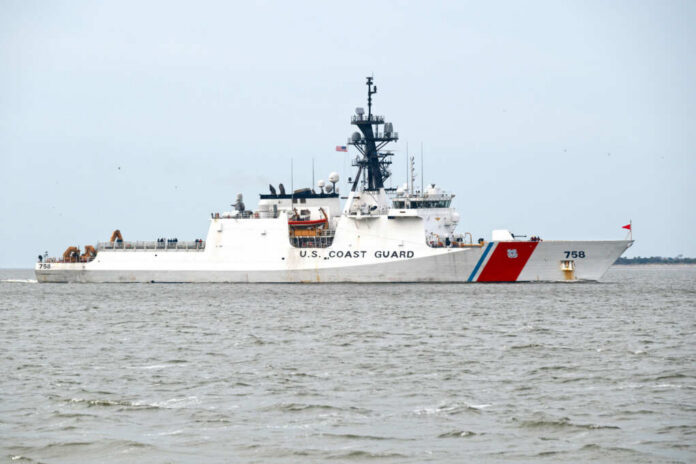
United States Coast Guard Cutter Tahoma’s crew intercepted three suspected cocaine smuggling boats roughly ninety miles off Cartagena, Colombia, on May 8, in what officials called a “triple threat” interdiction. Working in the Caribbean Sea, the cutter’s crew seized approximately 6,085 pounds of cocaine with an estimated value of about forty‑five to forty‑six million dollars, according to official Coast Guard statements and press reporting. The agency says those narcotics translate into roughly 2.3 million potentially lethal doses. [1][2][5]
Coast Guard leadership emphasized that the seizure was not just about the dollar value but about lives protected back home. The service highlighted that this cocaine would have ultimately fueled addiction, overdoses, and cartel violence in American communities if it reached the United States. Officials stated the interdiction is part of a sustained counter‑narcotics effort that, across operations, has removed tens of thousands of pounds of cocaine from the maritime pipeline in recent months, disrupting major trafficking routes used by cartels. [2][3][5]
Sniper Precision Stops Non‑Compliant Smuggling Boat
The most dramatic moment in the operation came when one smuggling vessel refused to comply with lawful orders to stop. Tahoma launched two small pursuit boats and an embarked Helicopter Interdiction Tactical Squadron aircrew. When the non‑compliant boat kept running, the helicopter team employed “aerial use of force tactics,” firing precision sniper shots into the vessel’s engines to disable it. Coast Guard officials say this controlled fire compelled the smugglers to abandon the craft without further escalation. [2][3]
After the engines were shot out, the suspected traffickers jumped into the water and were immediately thrown personal flotation devices from the air. Coast Guard crews then pulled them from the sea with no reported injuries, underscoring that the United States approach aims to neutralize threats while preserving life. The other two boats stopped when directed by Coast Guard teams and were boarded without the need for engine‑disabling force. Photos later released by the Coast Guard show the seized smuggling boats set ablaze and rendered unusable. [1][2][4]
Trump‑Era Maritime Crackdown and Conservative Concerns
Coast Guard and defense officials have repeatedly stressed that these vessels are operating on well‑known narcotics routes, often tied into larger cartel and terrorist‑linked networks, and that aggressive interdiction at sea is essential to homeland security. Earlier statements from United States Southern Command describe similar targets as part of transnational narcotics systems that bankroll violence and destabilize friendly governments. For conservatives worried about porous borders, this maritime fight is the offshore flank of the same battle. [3]
US Coast Guard interdicted three non-compliant vessels approx. 90nm off #Cartagena, #Colombia. Operation involved precision sniper fire to neutralize one vessel's propulsion system. Total seizure: 6,085 lbs of #cocaine (~$45M value). No injuries reported; suspects detained. pic.twitter.com/eL8PA32IU4
— NewsFromSea (@riskiomap) May 15, 2026
At the same time, the public record still lacks many of the detailed case files that would normally surface later in court: lab reports on cocaine purity, full chain‑of‑custody documentation, and specific vessel registration data. That is not unusual for fast‑moving maritime operations, but it does mean citizens are asked to trust official summaries until those records are released. For constitutional conservatives, robust enforcement must also remain grounded in transparent legal authority and accountable use‑of‑force rules. [1][2][6]
Balancing Tough Enforcement With Rule‑of‑Law Transparency
For many on the right, this latest bust is exactly what they have demanded for years: real interdiction, decisive action, and a federal government that finally treats cartels as more than just “businessmen at sea.” With the Trump administration pressing hard against narcotics networks, the Coast Guard’s role has expanded as a front‑line shield between American families and cartel poison. Each boat stopped offshore is one less shipment feeding crime in already strained communities. [1][2][4][5]
Yet conservatives also understand that strong government power must be watched carefully. Questions about the legal framework for disabling and sinking vessels, or about how evidence is preserved and handled, deserve serious answers once operational security allows. Seeking those answers does not undermine the Coast Guard; it protects the long‑term legitimacy of the mission. When interdictions are both effective and well‑documented, it strengthens the constitutional foundation for continued, aggressive action against narco‑terrorist threats. [1][2][6]
Sources:
[1] Web – Coast Guard burns and sinks ‘drug boat’ after massive cocaine seizure
[2] YouTube – US Coast Guard Sinks Drug Boat
[3] Web – US strikes 3 alleged drug vessels and leaves survivors – ABC News
[4] Web – Coast Guard sinks suspected drug boat as Trump’s cartel fight …
[5] YouTube – U.S. Coast Guard HITRON Crew stops Boat with $45.8 …
[6] YouTube – US strikes another alleged drug boat in Caribbean, killing 2