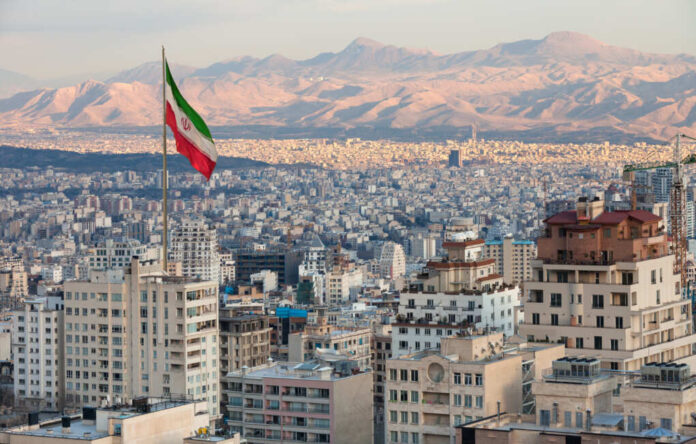
The Iranian regime’s brutal crackdown on protests has left over 2,000 dead, drawing “heartbreaking” reactions from Iranian-Americans who seek President Trump’s intervention.
Story Highlights
- Over 2,000 deaths reported in 48 hours amid Iranian protests.
- Iranian-Americans express grief, call for US intervention.
- Protests against the regime span 180-340 locations across Iran.
- Reza Pahlavi seeks President Trump’s support for a peaceful transition.
Iranian-Americans’ Heartbreaking Plea
In a chilling escalation, over 2,000 Iranians have died in just 48 hours as the regime intensifies its violent suppression of nationwide protests. Iranian-Americans, watching from afar, have expressed profound grief over the brutality. Many are calling on President Trump to intervene, hoping for decisive U.S. support. They see the protests as a chance for regime change and a return to traditional values that align with their hopes for Iran’s future.
These protests, sparked by economic collapse and dissatisfaction with clerical rule, have rapidly evolved into calls for the regime’s overthrow. Demonstrations have spread to 180-340 locations, despite severe internet blackouts and mass arrests. The cries for freedom and self-determination resonate deeply with the diaspora, many of whom fled similar repression decades ago.
Iranian-Americans call regime’s deadly crackdown on protests ‘heartbreaking’ as they await possible US intervention https://t.co/EcJIb6zUby pic.twitter.com/m7Ye6SwJ72
— New York Post (@nypost) January 12, 2026
Protests Gain Momentum Across Iran
The demonstrations began on December 28, 2025, with a small vendor strike in Tehran over soaring prices. By the New Year, they had transformed into a full-blown anti-regime uprising. Protesters chant slogans that reject the regime’s foreign entanglements, demanding instead a focus on Iran’s welfare. The widespread discontent has united diverse ethnic groups, amplifying calls for a secular transition.
Reza Pahlavi, a prominent figure among the Iranian diaspora, has urged coordinated chants and called for President Trump’s support. His appeals highlight a desire for a peaceful transition, drawing parallels to the Shah’s return. However, Supreme Leader Ali Khamenei has labeled the protesters as “vandals” and authorized the Islamic Revolutionary Guard Corps (IRGC) to use live ammunition, intensifying the crackdown.
Watch:
International Reactions and Implications
The international community is closely monitoring the situation. President Trump’s potential intervention remains a topic of intense speculation. While the U.S. has historically been a geopolitical influencer in the region, any action will be carefully weighed against the risks of further escalation. The Iranian regime, on the other hand, has accused the U.S. and Israel of orchestrating the unrest, a narrative used in past protests to justify repression.
The ramifications of these protests are significant. Short-term, the high death toll and arrests, including minors, disrupt daily life and fuel further dissent. Long-term, sustained protests could destabilize the regime, potentially leading to a referendum and a shift towards secular governance. Iranian-Americans remain hopeful that global pressure will support their cause for a free and democratic Iran.
Sources:
Wikipedia: 2025–2026 Iranian Protests
Substack: History of Protests in Iran Timeline
NCRI: Iran News in Brief January 11, 2026
Institute for the Study of War: Iran Update January 8, 2026