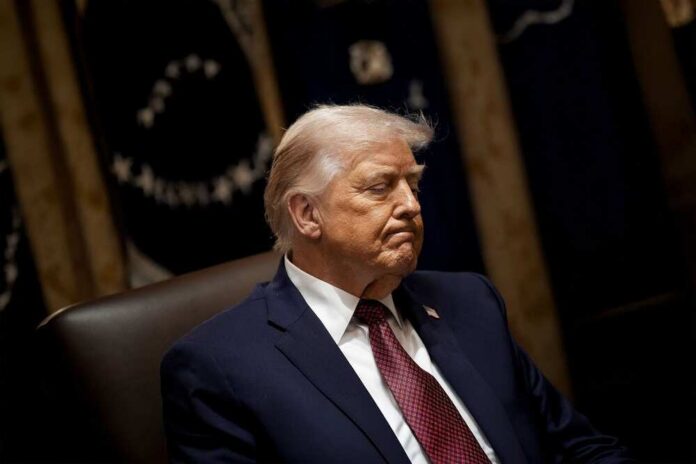
After artists fled the Freedom 250 lineup, President Trump said he will turn the show into a personal rally and swap in new acts—an escalation that fuels fears across the spectrum that national celebrations now serve politics over the public.
Story Snapshot
- Trump proposed rebranding the concert into an “America Is Back” rally centered on himself after withdrawals [1][3]
- Reports said several artists left over partisan concerns, while Trump mocked them as “third rate” and “overpriced” [1][3]
- Some performers were still expected, and replacements were floated, but no finalized contract list was released [1]
- Officials framed Freedom 250 as nonpartisan, yet branding and White House ties blurred that claim [3]
Trump Shifts From Concert To Rally Format
Salon reported that President Trump responded to the Freedom 250 artist withdrawals by proposing to retool the event into an “AMERICA IS BACK Rally” that would emphasize his presence rather than a traditional concert format [1]. CBS News also reported Trump’s comments suggesting canceling the concerts and holding a “giant Make America Great Again rally” instead [3]. These statements indicate a strategic pivot from entertainment to politics-first programming, positioning the event as a show-of-force gathering if music acts prove unreliable or unwilling to participate [1][3].
Trump’s rhetoric cast departed artists as expendable. According to Salon, he called them “Third Rate Artists” and “overpriced singers who nobody wants to hear,” asserting he could replace them himself and that his crowds eclipse those of Elvis Presley “in his prime” [1]. The language underscores a political framing: the value of the event is the size and energy of the crowd around the president, not the star power of performers. That stance may rally supporters but risks deepening perceptions that a national milestone is being personalized [1].
Withdrawals And Claims Of Partisan Misrepresentation
CBS News reported that five of nine scheduled artists publicly pulled out, while Salon described withdrawals amounting to roughly two-thirds of the announced lineup [3][1]. Both outlets linked departures to concerns about the event’s political associations, with some performers saying they were misled or uncomfortable with the partisan tilt [1][3]. Those explanations point to reputational and branding disputes rather than talent issues, directly countering the suggestion that the artists’ exits reflect artistic inadequacy or a lack of professional commitment [1][3].
Coverage emphasized the ambiguity surrounding the event’s identity. CBS News said Interior Secretary Doug Burgum described Freedom 250 as nonpartisan, yet it also noted that this White House task force event is distinct from the bipartisan nonprofit America 250, a separation that many viewers and potential performers might not clearly parse [3]. That institutional muddle—government-linked branding paired with presidential rally overtones—creates a trust problem for artists who seek patriotic visibility without being cast as political endorsers [3].
Replacement Lineup Signals And Evidence Gaps
Salon reported that artists including Vanilla Ice and Flo Rida were still expected to appear and that Trump claimed he could line up replacements, suggesting organizers aimed to preserve some entertainment component [1]. However, neither Salon nor CBS News provided final, documented confirmation of replacement contracts, set times, or updated, signed rosters [1][3]. The absence of verifiable booking records leaves an evidentiary gap: the public hears intent and bravado but lacks proof that a stable, quality lineup will match the original vision.
https://twitter.com/PolitomixNews/status/2062815029171478915
This vacuum invites competing narratives. Supporters can argue that retooling is pragmatic and that national pride does not require celebrity anchors. Critics can argue that rebranding a semiofficial anniversary event into a presidential rally proves political capture. Without transparent documentation—final rosters, amended contracts, or clear branding standards—audiences are left to infer motives from partisan cues rather than facts. That dynamic feeds a broader frustration that institutions communicate spin rather than verifiable detail [1][3].
Why This Matters Beyond The Music
High-profile withdrawals function as status signals that shape public perception regardless of cause. When multiple artists exit in quick succession, media narratives tend to define the event by who left, not who might replace them. That cycle is intensified when organizers blur civic celebration with political spectacle. For citizens across the ideological spectrum who already suspect elites game public rituals for power, the Freedom 250 dispute reinforces doubts about whether government-led celebrations still serve a unifying national purpose [1][3].
What To Watch For Next
Key indicators include a published, contract-backed replacement roster; on-record statements from remaining or new performers about the event’s political framing; and clarity from the White House task force on how Freedom 250 differs from the bipartisan America 250 effort. If organizers provide documentable details and keep the tone inclusive, the event could regain credibility. If the rally-first approach dominates and documentation remains thin, expect the legitimacy debate to overshadow any stage that gets built [1][3].
Sources:
[1] Web – Trump reveals which performers will replace the ‘no talent’ singers …
[3] YouTube – ‘It must be me’: Trump to headline ‘Freedom 250’ rally as …