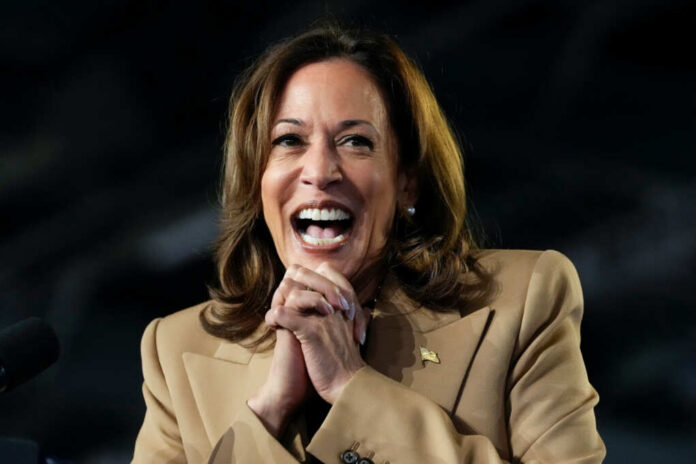
Democrats are quietly abandoning their diversity-first strategy for 2028 after Kamala Harris’s failed presidential bid exposed the dangers of choosing candidates based on identity over competence.
Story Snapshot
- Party insiders dismiss Harris as a “non-entity” despite her leading voter polls at 33%
- Moderate Democrats push for electable candidates over diversity-focused picks following 2024 losses
- Harris maintains visibility through book tours while rivals like Newsom and Buttigieg position as alternatives
- Elite skepticism signals potential shift away from DEI-driven nominations that prioritized identity politics
Party Elites Reject Harris Despite Voter Support
Kamala Harris dominates early 2028 polling among Democratic voters, capturing 33% support in October 2025 surveys, yet party insiders treat her as politically irrelevant. At the centrist Third Way conference in March 2026, moderate Democrats avoided mentioning her name while discussing viable presidential candidates. This disconnect reveals the growing frustration among party strategists who view Harris’s 2024 defeat as proof that diversity-driven candidate selection fails to deliver electoral victories. Insiders describe her as “truly undecided” about 2028 while simultaneously dismissing her viability.
Book Tour Strategy Maintains Base Amid Elite Dismissal
Harris launched an extended book tour in early 2026, selling out venues with appearances focused on Black-owned businesses and women entrepreneurs. The tour features Black moderators and targets communities where she maintains strongest support, including 54% backing among Black voters. She rehired campaign aide Brian Fallon to formalize operations while publicly avoiding direct 2028 discussions. This strategy preserves her demographic base while party elites actively seek alternatives like California Governor Gavin Newsom, who polls between 13-30%, and Pete Buttigieg at 7-16%. The gap between grassroots polling and insider preferences highlights the party’s internal debate over electability versus representation.
Diversity Politics Face Reckoning After 2024 Losses
The Democratic Party’s emphasis on diversity intensified after 2016, with Harris selected as Biden’s 2020 running mate partly for racial and gender representation. This “diversity train” approach reached its peak between 2020-2024 but collapsed following Harris’s 2024 presidential loss. Party moderates now compare the moment to post-loss reckonings after Hillary Clinton’s 2016 defeat and Al Gore’s 2000 campaign, when Democrats reassessed whether coastal elite priorities alienated working-class voters. The difference in 2026 centers specifically on DEI mandates in candidate selection, with strategists questioning whether identity-focused picks undermine competence-based criteria that voters prioritize.
Competing Visions Emerge for 2028 Primary Strategy
Democratic governors including Newsom, Josh Shapiro, JB Pritzker, and Gretchen Whitmer represent the moderate alternative, polling at 3-4% individually but collectively signaling institutional support for non-identity-based candidates. Alexandria Ocasio-Cortez maintains 7-8% support among progressives, while Harris leads with strength among Black, young, and Southern voters. Poll analyst Spencer Kimball notes the 2028 race remains “up for grabs” as Trump maintains 45% approval and Democrats hold a 43% generic ballot edge heading into 2026 midterms. The primary calendar remains in disarray, reflecting party uncertainty about whether to prioritize demographic representation or swing-state electability in selecting their nominee.
Economic concerns dominate voter priorities at 32%, overshadowing identity debates that consumed Democratic energy in previous cycles. Harris’s appeal to independents sits at just 27%, compared to her 33% Democratic support, exposing the electability concerns moderates cite when dismissing her candidacy. The tension between poll numbers showing voter preference and elite consensus favoring alternatives reveals fundamental disagreements about whether the party’s diversity-first approach serves or sabotages its electoral prospects. As 2028 approaches, Democrats face a choice between doubling down on identity politics or pivoting toward candidates selected primarily for their ability to win general elections rather than satisfy representation quotas.
Sources:
Kamala Harris 2028 Book Tour – Democrats
Kamala Harris Still Democratic Favorite for 2028
June National Poll – Emerson College Polling
Democratic Calendar in Disarray: The Importance of the 2028 Presidential Primary Schedule