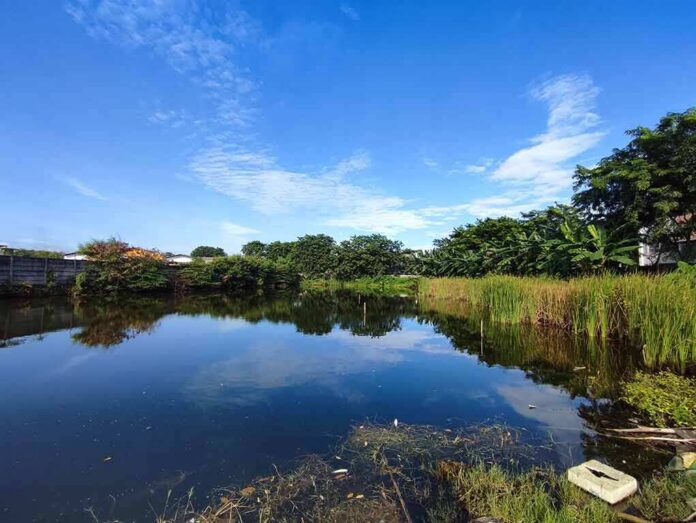
Washington’s environment agency fined a family ranch for allegedly damaging 23 wetlands and ordered a restoration plan projected to cost millions, sharpening a high-stakes fight over who gets to decide the facts.
Story Snapshot
- Washington Department of Ecology fined King Ranch $267,540 for alleged damage to 23 wetlands
- Administrative orders require restoration; the family is appealing in state forums
- Ranchers say the sites are long-used stock ponds, not regulated wetlands
- The case highlights due process concerns over jury trials in agency tribunals
What The State Ordered And Why It Matters
Washington’s Department of Ecology says it found 23 naturally occurring wetlands near Park Lake in Grant County were damaged. In February 2023, the agency fined Wade and Teresa King $267,540 and issued an administrative order to restore the sites. In January 2025, Ecology followed with a separate restoration directive that builds out a longer plan, with compliance projected to be costly according to case coverage. The orders rest on Washington’s Water Pollution Control Act and related wetland protections.
The penalty and orders are not final. The Kings appealed to the state’s Pollution Control Hearings Board. That process runs without a jury. Later, the jury-rights question reached Washington courts, and an appellate pause was reported for the administrative track while the constitutional issue proceeds. The merits of the wetland allegations remain unresolved during these appeals. The case now sits at the junction of science, property rights, and procedure, with each path carrying real costs for the family and the state.
How The Ranchers Explain The Ponds
The family says these are small, man-made stock ponds used to water cattle for decades, not protected wetlands. Their lawyers and local reporting say the ranch has operated since the 1950s in very dry country, where ponds are standard tools to keep cattle alive. The Kings say they performed routine cleaning and maintenance, actions they believe fit agricultural exemptions in state water law. They argue the state is mislabeling working ranch features as wetlands and overreaching with fines and orders.
The family also points to reported support for their view. One account says the Natural Resources Conservation Service found no wetland evidence on the ranch’s lease, although that alone does not control state law or Ecology’s findings. Their core claim is simple: long-standing, beneficial use for cattle should not be redefined as a violation now. That claim, if accepted, would gut the penalty and undercut the restoration plan. If rejected, the state’s wetland protections would carry the day and require repair work.
What The Law Allows—and Where It Draws Lines
Washington law recognizes agriculture, but it does not give a pass to every action on a farm. Court summaries show that earlier cases treated agricultural exemptions as limited and conditional. In one line of decisions, courts held that preexisting farm use does not wipe away all critical-area rules and that local governments can still regulate harm to sensitive lands. This means the label “agriculture” does not end the inquiry; the facts on the ground still matter.
Ecology’s own wetland guidance says some ongoing farming can be exempt, but new disturbance or expansion can trigger protection rules. The fight here turns on classification and timing. Were these features naturally occurring wetlands or man-made ponds? Did the work remain routine maintenance, or did it cross into new excavation and wetland alteration? Ecology says historical imagery showed sites were unaltered before the recent actions. The family flatly disputes that, citing decades of pond use.
Due Process Fight: Who Decides The Facts?
The Kings and many supporters argue that large penalties and multimillion-dollar compliance should be tested before a jury. Under state law, the Pollution Control Hearings Board conducts the first review without a jury. Reporting says the family sought court relief, and an appellate move paused the administrative proceeding while the jury-rights challenge plays out. Supporters see this as a fairness issue: when government can levy big fines, citizens want peers to weigh contested facts.
🇺🇸 Washington ranchers were hit with a staggering $267K FINE over cattle watering ponds…
A multigenerational cattle ranch is fighting for its survival after WA state regulators fined its owners $267,540 for allegedly damaging protected wetlands.
Wade and Teresa King insist…
— Mario Nawfal (@MarioNawfal) November 8, 2026
Ecology and allied voices argue that specialized boards guard environmental standards and apply technical rules. They see the forum as part of a normal process set by the legislature. The tension is bigger than one ranch. Many Americans on the left and the right think the system favors insiders and boxes regular people into costly fights. When agencies keep evidence files tight and orders broad, frustration grows. Trust improves when the state shows data and explains its science with plain terms.
What To Watch Next
Watch three tracks. First, the jury-trial question could reshape how Washington hears environmental fines. Second, the scientific record may come into better focus if Ecology releases detailed maps, soil data, and field notes, or if the ranch produces an independent delineation. Third, the money stakes could force a negotiated plan, especially if the restoration estimate stays high. However the case ends, it will echo in farm towns and agency offices across the West.
Sources:
ecology.wa.gov, wlj.net, tsln.com, pacificlegal.org, odessarecord.com, legalclarity.org, 610kona.com, mrsc.org