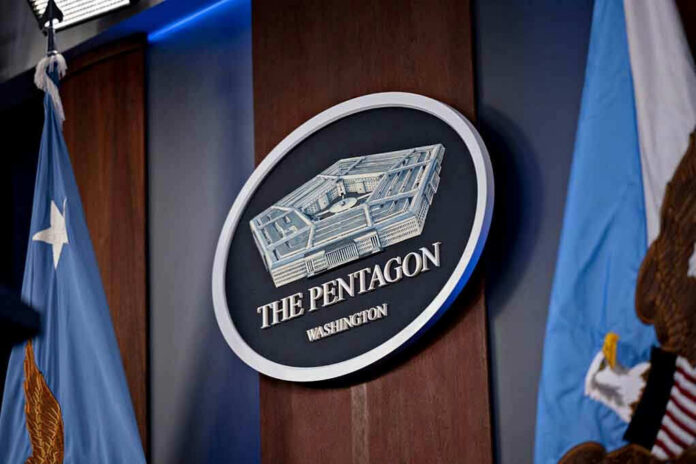
Defense Secretary Pete Hegseth fired Lieutenant General Brett Sylvia from a top Pentagon planning post after an investigation tied him to alleged leaks about the wars in Iran and Ukraine.
Story Snapshot
- The Pentagon removed Sylvia from the Joint Staff’s strategy role over alleged classified leaks.
- Officials say an Air Force investigation preceded the firing and a referral to the Justice Department.
- Reports say Sylvia allegedly failed three polygraph tests tied to leak questions.
- The move fits a wider push to crack down on national security leaks within the Pentagon.
What the Pentagon Did and Why It Matters
Defense Secretary Pete Hegseth removed Army Lieutenant General Brett Sylvia as director for strategy, plans, and policy on the Joint Chiefs of Staff. A Pentagon official said the action followed an investigation into alleged leaks of classified information about the war with Iran, the war in Ukraine, and other matters. Pentagon spokesman Sean Parnell said the matter was referred to the Department of Justice after an extensive probe by the Air Force Office of Special Investigations.
Sylvia, a senior planner known as the “J-5,” held one of the most sensitive jobs in the building. That office helps shape war plans, military options, and crisis responses. Officials told reporters the case centers on suspected disclosures to the news media. One Pentagon official, speaking about personnel details, tied the firing to those alleged disclosures. Reuters, ABC News, and other outlets reported the same core reason for the dismissal, citing defense officials.
What Investigators Reportedly Found
CBS News reported that a Pentagon official alleged Sylvia failed three polygraph tests about sharing classified information and was accused of leaking about Iran and Russia-Ukraine war issues. The Pentagon says an Air Force Office of Special Investigations inquiry informed the decision, and the case now sits with the Department of Justice for possible action. An administrative firing can occur based on internal standards even as any criminal review proceeds separately.
Military leak cases often mix several questions: was information disclosed, was it classified, and was the disclosure unauthorized or criminal? Administrative actions can follow internal rules that are different from criminal standards. A Justice Department review would decide if the facts meet federal criminal thresholds. For now, the Pentagon’s step is a workforce action at the top levels of military planning, based on its stated findings and process.
Why This Shake-Up Hits a Nerve
Senior leaders hold the nation’s secrets, so any suspected breach raises hard questions. Many Americans across the political spectrum already doubt Washington’s accountability. Some see leaders protecting their own power and status instead of the mission. A public firing of a three-star general for alleged leaks adds to concerns about secrecy, the flow of information during war, and how the government polices itself at the highest levels.
🚨 Hegseth fires Pentagon's top planner, Lt. Gen. Brett Sylvia, amid an alleged classified-leaks probe.
Pentagon confirms personnel action but gives no details; leak claims come from an unnamed official, not a public charge.
Firing or accountability? 👇#Pentagon #BreakingNews pic.twitter.com/jDY1zLo4pp
— Real USA Stories (@RealUsaStories) October 29, 2026
For conservatives, tighter control of secrets can look like needed discipline during global crises. For liberals, heavy crackdowns can look like a threat to transparency and press freedom. Both sides can agree on this: the stakes are high when decisions about war and peace depend on trusted information. The Pentagon says it acted after an extensive probe; the Department of Justice will decide if any laws were broken.
What Comes Next
The Joint Staff will fill a critical planning post while the Department of Justice reviews the referral. Pentagon officials have launched broader efforts to stop leaks, including task force work to find sources of unauthorized disclosures, according to reporting on the wider crackdown. Until prosecutors decide on charges, this remains an administrative removal with potentially serious legal implications ahead. The Pentagon has not released underlying evidence at this stage, beyond describing the probe’s scope.
Sources:
airforcetimes.com, washingtonexaminer.com, aljazeera.com, cbsnews.com, telegraph.co.uk