A U.S. intelligence memo warned that Iranian plots to kill Americans overseas have reached “advanced stages,” prompting rapid security moves across multiple U.S. missions.
Story Highlights
- A memo from the Director of National Intelligence warned of advanced Iranian plotting against U.S. personnel.
- Multiple outlets obtained or confirmed the memo’s authenticity, citing senior officials.
- The State Department ordered some U.S. personnel and families to leave Saudi Arabia amid rising risk.
- U.S. missions in parts of the region reduced staffing and tightened security.
What The U.S. Intelligence Memo Says
Director of National Intelligence Jay Clayton warned on October 23, 2026, that Iran has “substantially increased efforts to target U.S. personnel,” and that lethal plotting reached “advanced stages” in the Middle East and in other countries. The memo went to Secretary of State Marco Rubio and copied Central Intelligence Agency Director John Ratcliffe. The language cited “various channels” for the intelligence, signaling more than one source stream backing the warning.
Axios, ABC News, CBS News, The New York Times, and The Hill reported on the memo or said officials confirmed it, giving the alert broader support across outlets. Reporting said Clayton offered to downgrade related intelligence so State Department leaders could spread the warning to people without clearances. That step indicates the message was not a one-off judgment, but a concern shared through senior ranks to speed protective action.
How The State Department Responded On The Ground
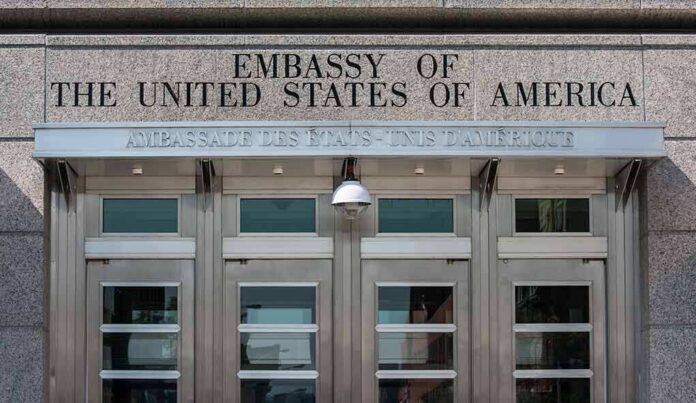
The U.S. Mission to Saudi Arabia issued a security alert and ordered non-emergency U.S. government employees and family members to depart due to safety risks. The alert took effect October 23 and flagged the danger environment, including threat activity by Iranian-backed groups. This matched a wider posture shift across the region, where missions cut staffing and tightened movement rules to lower exposure to potential attacks.
News outlets reported reductions or restrictions affecting posts in Saudi Arabia and other Middle East locations, including the United Arab Emirates, Lebanon, Qatar, and Jordan. These steps show that Washington did more than issue a paper warning. It put real limits on where people could live and work, a costly choice that signals officials view the threat as serious enough to disrupt normal operations.
What We Know And What Is Still Undisclosed
Reports said the memo did not name specific targets, countries outside the region, methods, or timing. The memo also did not state that an attack was imminent. That matters because “advanced” planning is not the same as a near-term strike. Still, the combination of multi-channel intelligence, high-level circulation, and immediate protective steps shows the government treated the warning as operationally significant.
US forces are ready to strike Iranian energy, military and nuclear sites within 96 hours of an order, as intelligence points to Iranian plots against Americans.
After last week's reports that Trump is leaning toward resuming major combat, two US officials told CNN that… pic.twitter.com/ShC17f12Ie
— Tiberiade (@tiberiadex) October 26, 2026
Past cases offer context for why officials took this seriously. Public records and research track Iranian operations abroad that include assassinations, kidnappings, and plots against dissidents, Western interests, and diplomats. Analysts have documented dozens of such cases across several continents over decades. This history does not prove the details of the October alert, but it shows the type of activity the memo describes has precedent in the public record.
Why This Matters For Americans Right Now
U.S. diplomats, service members, and travelers often sit in the crosshairs when state-backed threats grow. When Washington orders departures and reduces staffing, services slow, business trips are delayed, and families are split. People across the political spectrum see a pattern: foreign adversaries test U.S. resolve while leaders in Washington trade talking points. For many, this episode echoes a core worry that national security and basic government competence are drifting apart from the daily safety needs of citizens and public servants.
What To Watch Next
Watch for more State Department security alerts in the region, shifts in travel guidance, and any arrests or public cases tied to disruption of plots. Look for congressional briefings or declassified summaries that clarify whether the plots involved direct Iranian command, intelligence services, or proxy groups. Clearer public details on targets and methods would help Americans judge risk and hold leaders accountable for the protection plans they are now putting in place.
Sources:
facebook.com, axios.com, nytimes.com, abcnews.com, thehill.com, sa.usembassy.gov, cbsnews.com, thenewstribune.com, news18.com, ground.news, inquirer.com