A July 2025 donation from Les Wexner landed before Senator Jon Husted voted in September to block a push to release Epstein-related files, sharpening fears that big money still shadows public decisions.
Story Snapshot
- Public records show Wexner gave Husted $3,500 in July 2025; Husted opposed a September release amendment.
- Husted later supported a unanimous November vote to release the files, complicating broad claims of opposition.
- Husted’s campaign says it donated $34,300 in Wexner-linked funds to an anti-trafficking charity.
- Dispute centers on the appearance of influence versus proof of a quid pro quo, a common campaign battleground.
What Brown Alleges and Why It Resonates
Senator Sherrod Brown says Senator Jon Husted took money from powerful tech figures and from Les Wexner, who has been described in reporting as tied to Jeffrey Epstein, and then voted to block an early effort to release Epstein-related files. Records show Wexner donated $3,500 to Husted in July 2025, and that Husted voted in September to table a release amendment. The timing fuels concern about influence, even though timing alone does not prove cause.
Brown’s case also cites Wexner’s longer history of giving to Husted-linked committees. Different outlets count the totals in different ways, ranging from tens of thousands to over one hundred thousand dollars across many years and accounts. Wexner is reported as the former chief of L Brands and as someone for whom Epstein worked as a financial adviser; some coverage says government files identified Wexner among co-conspirators or associates, while he has denied wrongdoing. These details heighten the public’s concern, even as labels and legal status remain disputed.
What Husted Did and What He Says Now
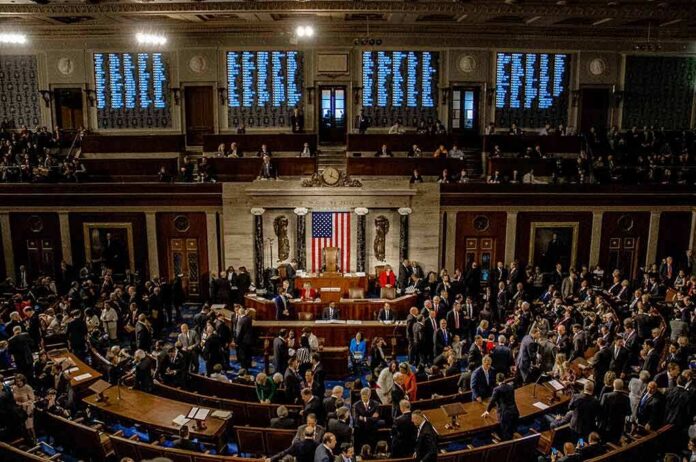
Roll calls show Husted joined most Republicans on September 10, 2025, to block a Democratic amendment tied to a defense bill that sought to force the release of Epstein-related records. Two months later, the Senate passed a standalone release measure by unanimous consent, and Husted supported that action. His campaign argues the November vote is the one that “counted,” and that he has always supported releasing the files, which makes the broader claim that he opposed disclosure incomplete.
Husted’s team also says it donated all available Wexner-linked money, $34,300, to Freedom a la Cart, a Columbus nonprofit that helps survivors of sex trafficking; the charity confirmed receiving that amount. The campaign says older Wexner-linked funds had already been spent in earlier cycles. These steps aim to address public concern, but they do not resolve the central question voters ask in every race: whether money bought access or sway. No report has produced direct proof of a quid pro quo.
How To Read the “Appearance of Influence” Problem
Campaign fights often hinge on three things at once: a known donor, a later vote that seems related, and an emotional issue. This race has all three. The July donation and the September vote create a sharp optic, and ads magnify it. Research on campaign finance shows Americans react strongly to even the appearance of influence, yet studies often find weak links between donations and specific votes. That gap feeds today’s distrust across party lines.
Specific 2026 midterm ads that mislead on Epstein files (primary-source check)
These ads are real, running or recently aired in competitive Senate races. Claims are checked against official records only: https://t.co/Z9MdBxv0pR roll calls, DOJ statements, and FEC/state campaign…
— Talent Scout (@pool14music) October 24, 2026
For readers who feel Washington serves elites, this story confirms the worry: wealthy donors can still shape the stage, even without a paper trail. For others who want fair judgment, the unanimous November vote to release the files, and the charity donations, matter a lot. Both things can be true. The timing raises real doubts that campaigns will exploit, and the record so far does not prove that Wexner’s money caused Husted’s September vote.
What Matters Next for Voters
Voters should separate what is proven from what is implied. Proven: the July donation, the September block of a release amendment, the November vote to release files, and the $34,300 in gifts to a trafficking-survivor charity. Unproven: any deal or demand that linked the donation to the September vote. If more records surface, including emails or lobbying contacts, that could change the analysis. Until then, this is about trust, not a closed case.
Sources:
youtube.com, snopes.com, factcheck.org, cnn.com, nbcboston.com, politifact.com, morningjournalnews.com