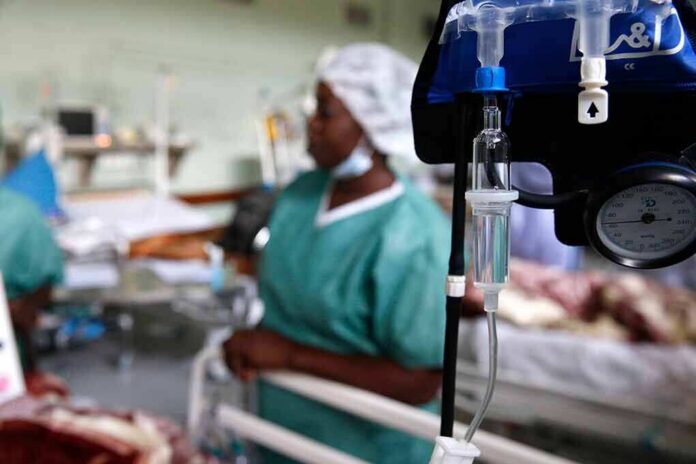
Myanmar’s health ministry says more than 90 people have tested positive for cholera in Yangon as hospitals admit hundreds with severe diarrhea symptoms.
Story Snapshot
- Officials report over 90 lab-confirmed cholera cases and more than 170 hospitalizations in Yangon.
- Government notices confirm outbreaks in eastern Yangon townships, with no confirmed deaths so far.
- Hospitals began treating acute watery diarrhea cases in late June as field teams launched controls.
- World Health Organization reports show past Yangon waves with thousands of hospitalizations, guiding today’s response.
What Officials Confirm About Yangon’s Outbreak
Myanmar’s Ministry of Health reported more than 90 people tested positive for the cholera bacteria in Yangon, with 171 people hospitalized for diarrhea symptoms when that update was issued. A government public notice also said outbreaks were detected in eastern Yangon townships, including Thakayta, and that patients were moved to hospitals. A separate ministry article said there was no confirmed information on deaths at that time, a point officials repeated in their guidance to the public.
Government updates describe an emergency response that began after diarrhea cases surged in late June. Health teams visited schools, factories, religious sites, and care homes to run checks, share hygiene steps, and control spread. Those actions match common first steps in cholera control: find cases fast, ensure clean water, set up rehydration points, and test samples to confirm the source. Officials said some patients continued to receive treatment at hospitals during these efforts.
How Case Counts Work During Cholera Waves
Early numbers in outbreaks often mix two things: hospital admissions for acute watery diarrhea and lab-confirmed cholera. The hospital count is usually larger because it includes many causes of diarrhea, not just cholera. The World Health Organization urges regular reports that track both facility and community cases and separates suspected from confirmed cases to avoid confusion. This helps leaders judge where to target water treatment, medical supplies, and risk messages as conditions change.
Recent history in Yangon shows why this gap matters. In 2024, the World Health Organization documented thousands of hospitalized acute watery diarrhea cases across the region following late June, with weekly surges later in the summer. Only a portion of those were confirmed as cholera by lab tests. That pattern explains why today’s confirmed cholera number can look small next to hospital totals, while still signaling a real outbreak that demands action from clinics, aid groups, and local leaders.
Why This Matters for Public Health and Daily Life
Cholera spreads through unsafe water and poor sanitation. Crowded housing, weak infrastructure, or sudden rains can make it worse. Yangon’s reports of patients across several townships suggest pressure on city services and on families who rely on street food, shared taps, and busy transit. Quick steps can limit spread: boil water, wash hands with soap, cook food well, and seek care fast for dehydration. Clear, honest data helps people make safe choices and reduces panic.
Update for Gastroenteritis and cholera outbreak in Yangon (Myanmar). pic.twitter.com/Uf4XOkl0Vv
— htet naing win (@htetnaingwinweb) August 17, 2026
For American readers, this story shows a core public duty: protect clean water and tell the truth early. That principle crosses party lines at home. Whether we debate budgets, borders, or energy, outbreaks anywhere can reach us by travel, trade, and supply chains. The fix is not slogans. It is steady investment in labs, clinics, and local reporting, plus the basic tools that save lives in every country: safe water, trusted data, and care within reach for the poor as well as the well-off.
Sources:
nytimes.com, moi.gov.mm, english.news.cn, reliefweb.int, who.int