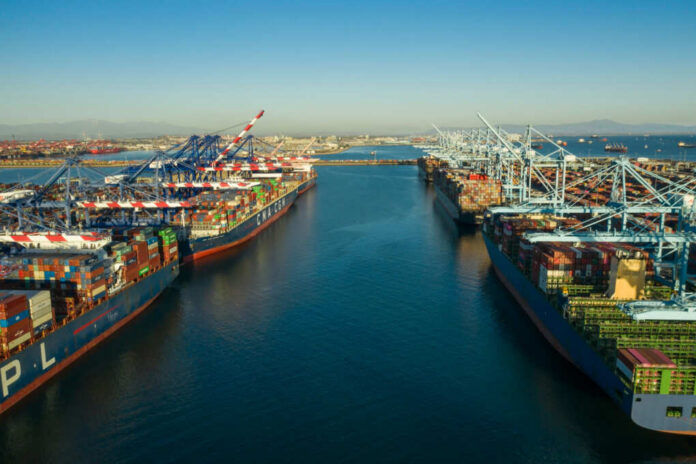
By slapping a sweeping 25 percent tariff on most Brazilian imports, Washington just turned a technical trade law into a powerful weapon that could hit American wallets and deepen distrust of the federal government.
Story Snapshot
- The Trump administration is imposing a **25% tariff on most goods from Brazil**, citing unfair trade practices.
- U.S. Trade Representative findings say Brazil’s policies on digital platforms, tariffs, corruption, intellectual property, ethanol, and deforestation hurt U.S. commerce.
- This move is part of a broader **Section 301 tariff strategy** now used across dozens of countries, not a one-off spat.
- The tariffs could raise prices for everyday U.S. consumers while fueling anger at what many see as a self‑serving political and economic elite.
Trump Team Uses Trade Law to Hit Brazil With New Tariffs
The Trump administration has proposed a broad **25 percent tariff** on most imports coming from Brazil, using Section 301 of the Trade Act of 1974 as its legal tool. The Office of the United States Trade Representative says Brazil’s policies are “unreasonable or discriminatory” and place an unfair burden on U.S. commerce. This tariff would apply to all Brazilian goods that are not specifically exempted, covering a wide slice of trade between the two countries. For regular Americans, that likely means higher prices on many products tied to Brazil, from food to raw materials, at a time when many already feel squeezed and let down by Washington.
The decision follows a formal investigation that began in July 2025 at President Trump’s direction, making Brazil the first major target in his second term’s new wave of Section 301 probes. That inquiry focused on six areas of concern: digital trade and electronic payment services, unfair preferential tariffs, anti‑corruption enforcement, intellectual property protection, access to Brazil’s ethanol market, and illegal deforestation. After nearly a year of review, U.S. trade officials concluded that Brazilian policies in all six areas hurt American companies, workers, and exporters, setting the stage for the new 25 percent tariff announcement.
Six Areas Where Washington Says Brazil Is Cheating
U.S. officials argue that Brazil’s handling of **digital platforms and payment systems** is stacked against American firms. Brazilian courts have secretly ordered U.S. social media companies to remove political content and suspend user profiles, while banning them from telling affected users and threatening heavy fines and business limits. Brazil’s national digital payment system, known as Pix, also receives special treatment that U.S. officials say shuts out American payment providers and tilts the market unfairly. For many Americans who worry about censorship, big tech power, and foreign influence, this mix of secret speech controls and rigged financial rules looks like a warning sign.
On **tariffs and corruption**, the U.S. Trade Representative says Brazil gives better tariff deals to countries like Mexico and India, often in industries where U.S. companies compete, undercutting American exports. The investigation also points to weak enforcement of anti‑corruption and transparency rules, raising fears of bribery and backroom deals. Many Americans across the political spectrum already believe the global trade system is rigged for big players and insiders. These findings will likely confirm that suspicion, even as some wonder whether Washington is cleaning up the system or simply shifting the deck chairs to favor its own elites.
In **intellectual property and ethanol**, U.S. officials say Brazil does not do enough to fight counterfeit goods or online piracy and takes too long to process patent applications, all of which hurts American inventors and creative workers. They also point to Brazil’s decision in 2017 to walk away from nearly duty‑free treatment for U.S. ethanol and impose higher tariffs, cutting into American farm exports. Rural communities and small manufacturers, who often feel ignored by both parties in Washington, may see the tariffs as overdue protection. But they also know that trade fights can backfire if Brazil hits back or if higher costs push jobs and investment elsewhere.
Illegal Deforestation and a New Section 301 Tariff Regime
Environmental enforcement is the sixth pillar of the U.S. case. The Trade Representative cites studies showing that the vast majority of recent deforestation in the Brazilian Amazon and Cerrado regions is illegal, giving Brazilian farm and wood products an unfair cost advantage over U.S. producers. By tying trade penalties to illegal deforestation, the administration is linking economic policy to environmental and labor concerns. Some Americans welcome this tougher stance. Others see it as one more example of complex global rules pushed by distant bureaucrats, while basic problems at home—like wages, healthcare, and housing—remain unsolved.
Washington (United States) (AFP) – An incoming US tariff targeting various imports from Brazil has drawn a rebuke from the Latin American giant, as Washington accused the country of unfair trade pract https://t.co/HfMAmGo2kB pic.twitter.com/yJ5d5yOoAz
— zeta panama (@zetacompa) July 16, 2026
The Brazil tariffs do not stand alone. They fit into a larger pattern where the Trump administration now uses Section 301 as its main tool for country‑specific tariffs after broader emergency powers were cut back in court. In 2026, trade officials issued findings against 60 economies, covering nearly all U.S. imports, and proposed new tariffs tied to forced‑labor concerns. Analysts describe this as a “new Section 301 tariff regime,” built to recreate earlier tariff pressure while staying inside the tighter legal limits. For many voters, left and right, this looks less like careful reform and more like another clever workaround by a permanent political class that rarely asks the public what it wants.
What It Means for Americans Who Already Feel Left Behind
For conservatives worried about globalism and lost factory jobs, the Brazil tariffs might sound like a long‑awaited defense of American workers and industry. For liberals angry about corporate power and inequality, the focus on corruption, illegal deforestation, and labor issues abroad may seem like a needed push for fairer rules. Yet both sides share a deeper fear: that trade moves like this mainly serve powerful corporations, lobbyists, and political insiders rather than regular citizens. Section 301 cases are complex, fast‑moving, and shaped heavily by technical experts and lawyers, not by direct voter input.
Higher tariffs almost always mean higher costs somewhere in the system, whether at the store, in supply chains, or for small businesses that depend on imports. If prices rise on basics like food, coffee, or household goods linked to Brazil, the anger will land not in Brasília but in Washington. Americans already distrust a federal government they see as more focused on reelection and special interests than on the “hard work, determination, and initiative” that once defined the American Dream. The Brazil tariff decision, even if legally solid, risks becoming one more proof point for people across the political spectrum who feel the system is rigged and the elite are playing games with their livelihoods.
Sources:
theamericanconservative.com, ustr.gov, bloomberg.com, bhfs.com, cov.com, chambers.com, cnbc.com, nftc.org, reuters.com, congress.gov, sheppard.com, greenworldwide.com, chrobinson.com