As Donald Trump and Iraq’s prime minister announce a U.S. troop withdrawal, Americans are left asking whether this is a long-overdue reset or another risky promise that still leaves foreign troops and foreign powers shaping Iraq’s future.
Story Snapshot
- The U.S. and Iraq have agreed to end the coalition mission and withdraw most troops by late 2026, with major base closures already underway.
- Trump tells the Iraqi leader “we don’t think we need the military there anymore,” framing the exit as ending costly “endless wars.”
- Analysts say this is more a shift in mission than a clean break, since advisors remain and Iranian-backed militias stay active.
- Both left and right see the move as proof that Washington reacts to crises but still avoids straight answers on costs, risks, and who really benefits.
Trump’s Promise: ‘We Don’t Need To Be There’
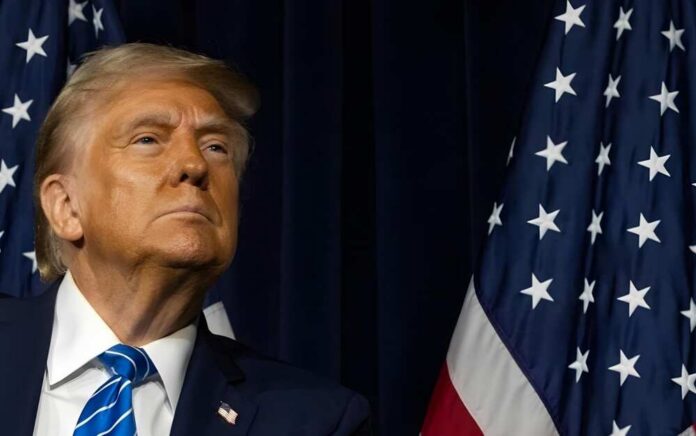
Sitting in the Oval Office with Iraq’s prime minister, President Donald Trump said U.S. troops in Iraq “will be getting out” and “we’ll be leaving shortly,” stressing that the U.S. presence was already at a “very, very low level.” He framed the shift as fulfilling his pledge to end “endless wars” and suggested American companies would focus more on oil and business than tanks and bases. This message hits a nerve for many Americans tired of watching tax dollars fund faraway conflicts.
Trump’s tone in the meeting matched earlier comments during a visit by Marine General Frank McKenzie, who announced a cut from about 5,200 U.S. troops to roughly 3,000 in Iraq, arguing Iraqi forces could now handle the main fight against the Islamic State group. For conservatives, this sounds like a long-awaited rollback of globalist military commitments. For liberals, it raises old fears that the administration cares more about oil and optics than about human rights or regional stability. Both sides see leaders talking big while often avoiding hard detail on what comes next.
What The Withdrawal Deal Actually Does
The United States and Iraq jointly announced that the U.S.-led coalition mission in Iraq will end by September 2025, shifting into a more limited bilateral security partnership. Officials described this as a “transition” rather than a pure withdrawal, but Reuters reporting tied that transition to hundreds of troops leaving by September 2025 and all remaining forces expected to depart by late 2026. This phased plan includes closing long-used bases like Ain al-Asad airbase and cutting the U.S. footprint around Baghdad, a big symbolic break from nearly two decades of heavy presence.
A separate analysis of the agreement notes that forces from al-Asad airbase and Baghdad’s airport are being moved to Hareer base in the Kurdistan region before they are reduced further over 2026. That means the celebrated “withdrawal” is actually a staggered drawdown, with advisors and counterterror units likely staying on the edges of Iraq to watch the Islamic State and respond to threats. For citizens who feel the “deep state” never really lets go, this looks like another example of Washington changing labels on a mission while keeping boots on the ground somewhere.
Iraq’s Position And Iran’s Shadow
In January 2026, Iraq’s government announced that U.S. forces had completed their “withdrawal” from bases in the country’s federal territory, confirming that the last group of advisors left al-Asad airbase after more than twenty years of use. Yet even that announcement made clear that U.S. troops remain at Hareer base in the Kurdistan region, underlining that American military power is still close by and still part of Iraqi security planning. So any talk of a clean break from foreign influence is at best incomplete.
Behind this public language sits a harsh reality: Iranian-backed militias have attacked U.S. targets in Iraq even while diplomats negotiated withdrawal timelines, and experts warn that cutting American numbers may open more space for Tehran’s proxies. Gulf International Forum describes the drawdown as a “redeployment,” not a true exit, and notes that some Iran-aligned Shia groups in Iraq are now “giving their departure second thoughts,” worried about what comes after U.S. forces go. In plain terms, the threat of Iranian pressure does not end the day American troops drive out the gate.
Americans’ Shared Frustration With Endless War Politics
For many older conservatives, the Iraq withdrawal deal feels like proof that years of “globalist” policies produced costly wars with little benefit at home. They hear Trump say “we don’t need to be there” and wonder why it took so long for Washington to admit what seemed obvious. For many older liberals, the same move looks like a familiar pattern: talk about peace and savings, keep advisors and special forces in place, and never fully confront the human and moral costs of long-term occupation and proxy conflict.
Trump and Iraqi Prime Minister Announce U.S. Troop Withdrawal, Expand Economic Partnership and Pledge New Era for Iraq https://t.co/10FrHXflDL
— Simon Ateba (@simonateba) July 14, 2026
Analysts at places like Brookings have warned for years that official claims of “ending combat missions” in Iraq often mask enduring on-the-ground roles. Policy groups now argue this new deal still leaves U.S. personnel in Kurdistan for counterterror work, still leaves Iraq caught between Washington and Tehran, and still leaves American voters in the dark about total costs and risks. That gap between simple slogans and complex reality feeds the growing belief, on both left and right, that foreign policy is managed by elites who protect their own power first and explain things to the public only when they must.
Sources:
youtube.com, apnews.com, foxnews.com, responsiblestatecraft.org, abcnews.com, cnn.com, bbc.com