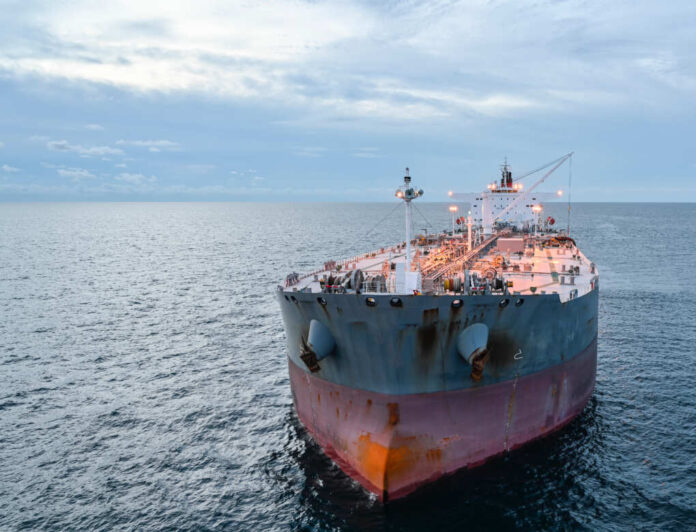
The recent capture of Nicolás Maduro has plunged Venezuela’s oil sector into further crisis, triggering the mass exodus of over a dozen oil tankers. These vessels are operating in “dark mode” to evade a strict U.S.-imposed naval quarantine, known as Operation Southern Spear. This dramatic escalation highlights the desperation of Venezuela’s oil export efforts against the backdrop of reinforced U.S. naval dominance in the region.
Story Highlights
- At least a dozen oil tankers flee Venezuela after Maduro’s capture.
- Tankers operate in “dark mode” to evade U.S. naval blockade.
- U.S. reinforces naval dominance amid Venezuela’s oil export desperation.
- Operation Southern Spear enforces a strict blockade on Venezuelan oil.
Mass Exodus of Tankers Post-Maduro Capture
Following the capture of Nicolás Maduro on January 3, 2026, at least 16 Venezuelan oil tankers have fled the country’s ports. These vessels, mostly already under sanctions, have turned off their Automatic Identification System (AIS) transponders, operating in “dark mode” to evade detection. This strategic evasion tactic coincides with a U.S.-imposed naval quarantine under Operation Southern Spear, highlighting the desperate measures taken by Venezuela amid the blockade.
Historically, Venezuela’s state-owned oil company, PDVSA, has been the subject of U.S. sanctions since 2017 following Maduro’s disputed election. These sanctions intensified in 2019, directly targeting the oil sector. The emergence of a ‘shadow fleet,’ consisting of sanctioned tankers from countries like Russia and Iran, has been a method to bypass these sanctions. These tankers transport heavy crude to countries such as China and Cuba, circumventing the restrictions placed by the U.S.
Sanctioned oil tankers have begun fleeing Venezuela to evade the U.S. naval blockade, using fake identities, spoofed locations, or disabling tracking systems, according to NYT.
Satellite images indicate at least four tankers heading east using fake identities, while roughly a… pic.twitter.com/JuBbXX7g47
— Vitamvivere (@Vitamvivere) January 5, 2026
U.S. Naval Quarantine and Enforcement
The U.S. has significantly amplified its efforts to enforce the blockade with the initiation of Operation Southern Spear. This operation involves a comprehensive naval quarantine targeting Venezuela’s primary ports, including Puerto José and El Palito. The U.S. military, along with the Coast Guard, has already seized several tankers, including the *Skipper* and *Centuries*, demonstrating their commitment to intercepting any attempts to breach the blockade.
Chevron-linked tankers have been exempted from this blockade, allowing them to continue operations. This exemption underscores the strategic alliances maintained by the U.S. despite the overall stringent enforcement measures. Notably, the U.S. has planned to intercept the *Marinera*, which is suspected of transporting Venezuelan oil under the guise of Russian ownership, reinforcing their commitment to halting illegal oil exports.
Implications and Reactions
The immediate implications of this exodus include a halt in Venezuelan oil exports, leading to a significant accumulation of crude and the shutdown of wells in the Orinoco Belt. These actions have resulted in considerable economic losses for PDVSA, which now faces a storage crisis. The broader implications extend to potential global oil market disruptions and the expansion of shadow fleet operations.
Within Venezuela, these developments have sparked a mobilization of the military to defend oil hubs and prepare for what is perceived as an invasion threat. The capture of Maduro and the subsequent U.S. blockade have intensified political tensions, further complicating the already volatile situation in the region.
Watch the report: About a dozen loaded oil tankers left Venezuela in dark mode
Sources:
Oil flotilla sails from Venezuela despite US blockade | Reuters
Sanctioned Oil Tankers Flee Venezuela in Defiance of U.S. Blockade – The New York Times
US aircraft monitor tanker off Ireland that tried to evade Venezuela blockade
Venezuela latest: Security forces patrol streets as opposition leader says new president ‘can’t be trusted’ – BBC News
Oil tankers attempt breakout from US oil blockade around Venezuela | Upstream