UK Prime Minister Keir Starmer just flew straight into Beijing’s arms, prioritizing trade deals over national security while Communist China tightens its grip on British sovereignty through economic dependency and a massive spy-friendly embassy on UK soil.
Story Snapshot
- Starmer embarked on first UK PM visit to China since 2018, bringing 60+ business leaders despite escalating espionage concerns
- UK approved China’s controversial “mega-embassy” in London days before the trip, ignoring warnings from MPs and security experts
- Visit exposes Britain’s dangerous dependency on China for green energy supplies, giving Beijing economic coercion leverage
- Former Hong Kong Governor Chris Patten demands Starmer address human rights abuses, including Jimmy Lai’s imprisonment
Trading Security for Economic Promises
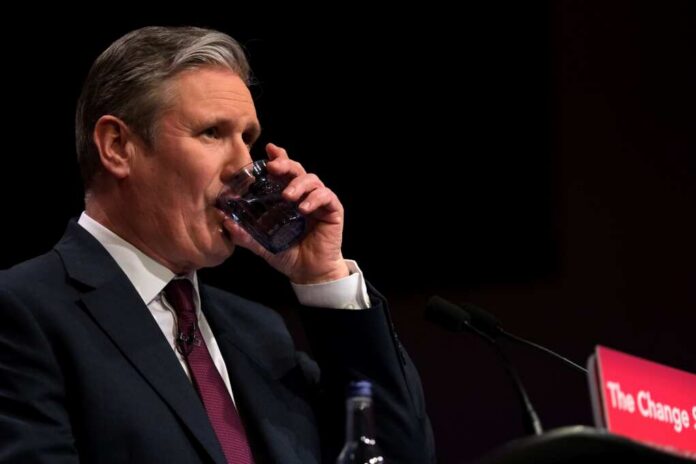
Prime Minister Keir Starmer arrived in Beijing on January 28, 2026, for a four-day visit marking the first UK-China summit since Theresa May’s 2018 trip. Starmer brought over 60 British business and cultural leaders, signaling his administration’s pivot toward “consistent, pragmatic partnership” with the Communist regime. The visit follows years of deteriorating relations stemming from China’s Hong Kong crackdown, Huawei’s 5G ban over national security threats, espionage allegations including two Brits charged under the Official Secrets Act, and Beijing’s support for Russia’s war in Ukraine. This sudden reset raises serious questions about whether economic opportunities justify cozying up to an adversary.
Embassy Approval Ignores Espionage Threats
Days before Starmer’s departure, his government greenlit China’s massive new embassy at London’s Royal Mint Court despite fierce opposition from MPs across party lines and community protests over espionage risks. MI5 and GCHQ reportedly approved the facility with “mitigation measures” but raised no formal objections, prioritizing diplomatic convenience over homeland security. Chatham House analysts warn this decision exemplifies China’s “invisible leverage”—economic entanglements that constrain British sovereignty more effectively than overt spy operations. The embassy’s size and location provide Beijing expanded capacity for intelligence gathering and political interference, yet Starmer’s administration dismissed these concerns to remove a diplomatic “sticking point” ahead of trade talks.
Green Energy Dependency Creates Coercion Risk
Britain’s green transition has created dangerous supply chain dependencies on China for electric vehicles, batteries, and renewable energy components. Chatham House experts highlight that China’s party-state controls over firms through national security laws enable grey-zone economic coercion, similar to Beijing’s trade restrictions against Australia, Lithuania, and South Korea when those nations adopted policies China opposed. UK businesses face the prospect of Chinese rare earth controls or supply disruptions if Britain takes actions Beijing dislikes—from Hong Kong sanctions to Taiwan support. This structural vulnerability undermines British sovereignty and limits policy independence, yet Starmer’s delegation focuses on expanding services access rather than diversifying critical supply chains away from Communist control.
Human Rights Concerns Sidelined for Business Deals
Former Hong Kong Governor Chris Patten urged Starmer to firmly raise human rights issues, particularly the imprisonment of British citizen Jimmy Lai under Hong Kong’s draconian national security law imposed less than two months before the visit. Lai’s conviction exemplifies Beijing’s crushing of freedoms in the former British territory, yet Starmer’s stated agenda emphasizes economic growth over addressing political prisoners or religious persecution. China-Britain Business Council representatives and Beijing officials tout opportunities in health services and elderly care for UK firms, while dissidents face torture and Hong Kong’s autonomy disappears. This calculated silence on values-based foreign policy concerns demonstrates how economic incentives corrupt principled leadership, betraying citizens like Lai and signaling to authoritarian regimes that trade trumps human dignity.
UK–China engagement risk premium rising: Starmer heads to Beijing with a 60-business delegation as UK security focus intensifies on China-linked intrusions.
📊 Bloomberg (2026-01-26): UK positioning to pursue China trade/investment without “choosing between” the US and… pic.twitter.com/P03wsBS018
— kautious (@kautiousCo) January 27, 2026
Starmer’s government argues the visit balances trade opportunities with security awareness, promising to manage differences while pursuing growth amid domestic economic struggles. Wang Yiwei from Renmin University emphasizes UK services align with China’s market needs, while British Airways and the business delegation see potential in China’s consumption growth. Yet this framing ignores the strategic reality that deeper economic integration with an adversarial power erodes leverage and constrains future policy options. As Trump’s administration imposes US tariffs prompting nations to seek alternative markets, Britain risks becoming economically hostage to Beijing’s whims precisely when Western unity against authoritarian expansion matters most for long-term security and freedom.
Sources:
Starmer’s China Visit: The Big Story – But Beijing’s Invisible Leverage Warrants Greater Scrutiny
UK-China Relations: Prime Minister Keir Starmer Visits Beijing
Prime Minister to Promise a Consistent Pragmatic Partnership with China to Make UK Better Off