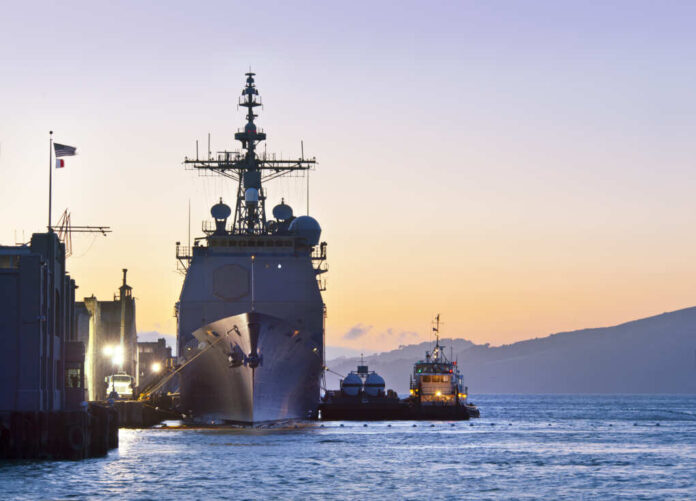
A new naval strategy threatens American maritime security, as China expands its military might with innovative tactics.
Story Highlights
- U.S. naval strategy under scrutiny amid China’s military buildup.
- Critics argue against costly battleships, advocating for submarines and asymmetric tactics.
- Trump pushes “Golden Fleet” with new battleship proposals.
- Historical lessons from WWII inform current naval debates.
U.S. Naval Strategy Under Fire
In the face of growing Chinese naval strength, the U.S. military’s strategy has come under intense scrutiny. Critics argue that the traditional focus on expensive battleships is outdated and inefficient. Instead, they suggest shifting resources towards more flexible and cost-effective solutions such as submarines and asymmetric tactics. This debate draws on lessons from World War II, where super-battleships proved vulnerable to more agile and innovative strategies.
The U.S. Navy, while historically reliant on battleships for maritime dominance, now faces a new kind of challenge from China’s military. The Chinese People’s Liberation Army Navy has begun deploying missiles on container ships, creating a low-cost yet effective deterrent. This approach starkly contrasts with the U.S.’s traditional reliance on large, expensive ships, prompting calls for a significant shift in strategy.
Trump’s “Golden Fleet” Proposal
In a move to address these concerns, President Trump has proposed the “Golden Fleet,” which includes new battleships designed for massive scale and deterrence. This plan aims to reinforce American naval power and project strength globally. However, some critics argue that the resources required for such an initiative could be better spent on more adaptable and strategic assets like submarines.
Retired Marine Colonel Gary Anderson has been a vocal critic of the current naval strategy, advocating for a focus on submarines and high-seas boarding tactics. According to Anderson, these methods would provide a more efficient and effective means of countering the Chinese threat, avoiding the pitfalls of past naval missteps.
Lessons from History
The debate over naval strategy is deeply rooted in historical lessons from World War II. During the war, Germany and Japan invested heavily in super-battleships like the Bismarck and Yamato, only to see them become costly liabilities. These historical precedents highlight the risks of investing in large, attritional surface ships without considering more innovative and flexible approaches.
Stop Building Battleships, Start Building Fear https://t.co/th9lBQ2ZUK
— Sharon Waite (@DrAkita61) January 5, 2026
As the U.S. considers its future naval strategy, the lessons from history and the current geopolitical landscape will play crucial roles in shaping decisions. The need for a balanced approach that incorporates both traditional strengths and modern innovations is more pressing than ever.
Sources:
Stop Building Battleships, Start Building Fear
United States battleship retirement debate
Why can’t the US build ships
Trump battleship “Golden Fleet” navy Phelan