Escalating tensions between Iran and the United States over ongoing anti-government protests in Iran have raised the specter of a broader Middle Eastern conflict. The Iranian government, facing widespread domestic unrest and claiming foreign meddling, has declared its readiness for war if international powers interfere. Meanwhile, President Trump has responded with threats of significant tariffs and potential military action, intensifying global scrutiny and straining diplomatic relations.
Story Highlights
- Iran’s Foreign Minister declares readiness for war if foreign interference occurs.
- Protests in Iran have resulted in over 12,000 deaths, highlighting severe domestic unrest.
- President Trump threatens tariffs and military action amid escalating tensions.
- Iran accuses the US of instigating the protests, intensifying global scrutiny.
Iran’s Stance on Foreign Interference
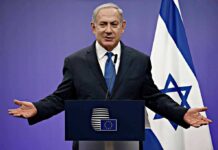
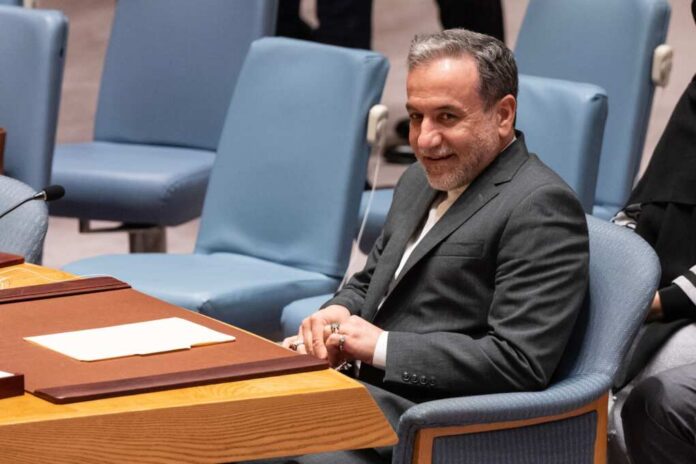
Iran’s Foreign Minister, Abbas Araghchi, announced that Iran is fully prepared for war if foreign powers, particularly the United States, interfere in the ongoing anti-government protests. These protests, which began in late December 2025 due to economic hardships, have resulted in over 12,000 deaths, according to activist reports. The Iranian government frames these demonstrations as acts of terrorism orchestrated by foreign entities.
The ongoing unrest has spread to 606 locations across 187 cities in Iran, with over 10,721 arrests and 133 security personnel killed. The Iranian regime, led by Supreme Leader Ayatollah Ali Khamenei, portrays these protests as a threat to national security and accuses the US and Israel of fomenting discord within its borders.
If the US and Israel refrain from striking, it cannot be ruled out that Iran's Revolutionary Guard itself may initiate hostilities. Iranian officials now claim they are prepared for both negotiations and war. https://t.co/VvNZMRM3GJ
— euronews (@euronews) January 13, 2026
US Response and International Reactions
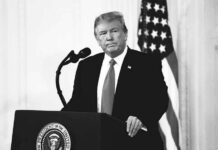
President Donald Trump has escalated the situation by threatening a 25% tariff on countries doing business with Iran and canceling meetings with Iranian officials. Trump has openly supported the Iranian protesters, further straining diplomatic relations. The US government is contemplating military options, as tensions between the two nations heighten.
International responses have been mixed, with the United Nations condemning the violence and calling for restraint. China, a key player in global trade, opposes the US-imposed tariffs and supports Iran’s stability to safeguard its economic interests. As the situation unfolds, the potential for a broader conflict looms large, with implications for global peace and security.
Implications for Global Stability
The protests in Iran and the US’s reaction have significant ramifications for regional and global stability. Short-term effects include the risk of escalating violence and potential US military intervention, which could lead to a full-scale war. The long-term consequences could involve the collapse or further entrenchment of the Iranian regime, affecting geopolitical dynamics in the Middle East.
The economic impacts are also profound, as the tariffs threaten to disrupt global trade, particularly in the oil and energy sectors. The social and political divides within Iran are deepening as the government enforces crackdowns, including a 108-hour internet blackout to suppress information dissemination.
Watch the report: Iranian FM to Al Jazeera: Iran warns US: ‘We are ready for war’ after Trump threats
Sources:
Iran Foreign Minister Says Country ‘Prepared’ For War With US | Military.com
Iran crisis: Trump ‘unafraid’ to use ‘lethal force’ on Iran but wants diplomacy to be ‘first option’, says White House – as it happened | Iran | The Guardian
Iran ready for ‘any eventuality’ with U.S. says Foreign Minister | AP News