
A new rhetoric from Iran’s Supreme Leader threatens to escalate tensions, blaming President Trump for inciting deadly protests.
Story Snapshot
- Iran’s Khamenei blames Trump for protest casualties.
- Protests in Iran sparked by economic grievances escalate.
- Trump calls for new leadership in Iran.
- Thousands reportedly dead amid violent crackdowns.
- U.S.-Iran relations reach new tensions.
Khamenei’s Accusations Against Trump
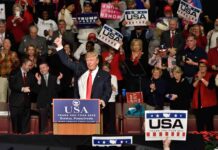
On January 18, 2026, Iran’s Supreme Leader Ayatollah Ali Khamenei delivered a televised speech accusing U.S. President Donald Trump of being a “criminal” who incited Iranian protesters. Khamenei held Trump responsible for the casualties and destruction resulting from Iran’s crackdown on demonstrations that began on December 28, 2025. The protests initially focused on economic issues but quickly escalated into demands for regime change. Khamenei claims the unrest was an American conspiracy aimed at undermining Iran’s sovereignty.
Trump has responded by calling for Ayatollah Khamenei’s removal, describing the Iranian leader as a “sick man” who should focus on running his country properly instead of spreading violence. This exchange of inflammatory rhetoric has only served to heighten tensions between the two nations, complicating any potential diplomatic resolutions. The Iranian regime has consistently attributed domestic unrest to foreign interference, particularly by the United States, positioning itself as a victim of external aggression.
Protests and Violent Crackdowns
The protests that erupted in Iran on December 28, 2025, were driven by widespread economic grievances due to international sanctions and government mismanagement. These demonstrations soon morphed into calls for the dismantling of the clerical regime, prompting a violent crackdown by Iranian security forces. Reports indicate that the internet shutdowns during the peak of the protests were a tactic by the regime to suppress information and control the narrative. While Khamenei has acknowledged “several thousand” deaths, independent sources suggest the toll could be much higher.
Khamenei’s claims that President Trump promised military support to Iranian protesters were dismissed by Tehran’s chief prosecutor as “futile and irrelevant,” with Iran vowing to continue its severe and preventive measures. Protesters have expressed feelings of betrayal, citing Trump’s lack of sustained support despite initial promises. This sentiment of abandonment has demoralized the movement, undermining any potential leverage the U.S. might have had through its initial backing.
Impact on U.S.-Iran Relations
The confrontation between Khamenei and Trump has significant implications for U.S.-Iran relations. The harsh rhetoric and ongoing repression of protesters complicate future diplomatic engagements, leaving little room for negotiation. The Iranian regime’s portrayal of protests as externally orchestrated may rally nationalist sentiment temporarily but fails to address the core economic grievances fueling the dissent. The United States’ strategy appears uncertain, oscillating between threats and calls for regime change, which could affect regional stability in the Middle East.
Iran’s Khamenei Is Talking About Trump Like a Man Who Just Won a War https://t.co/6drarBPSan
— Norman Firebaugh (@FirebaughNorman) January 17, 2026
The humanitarian crisis resulting from the protests and government crackdowns poses long-term challenges, with thousands of deaths and ongoing detentions creating social trauma and potential instability. The international community remains concerned about the implications for regional dynamics and the humanitarian situation within Iran, emphasizing the need for a measured and strategic approach to resolving these complex issues.
Sources:
Times of Israel: Khamenei Calls Trump a “Criminal,” Blames Him for Protest Casualties and Damage
Iran International: Khamenei’s Speech and Protests
KSAT/AP: Iran’s Leader Calls Trump a Criminal
Time Magazine: Iranian Protesters Feel Betrayed