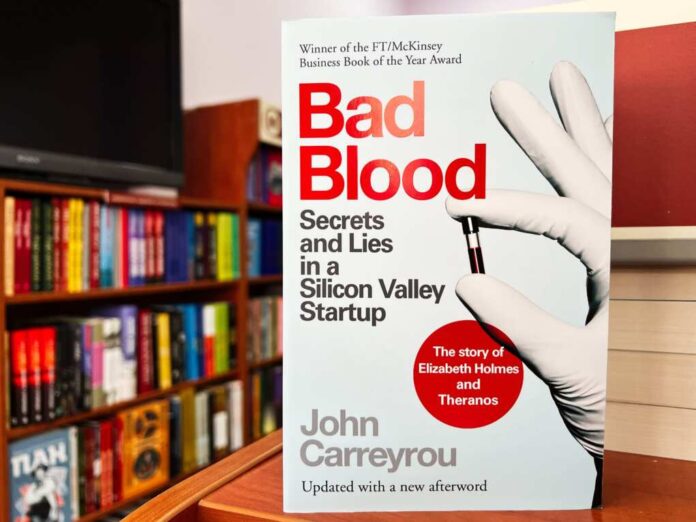
A new and unconfirmed lawsuit is pitting a renowned investigative journalist against AI companies, alleging widespread book piracy. The rumored legal challenge, which centers on intellectual property rights in the age of artificial intelligence, has become a focal point for conservative discussions about protecting creators and limiting corporate overreach as AI models continue to expand their use of online content.
Story Highlights
- John Carreyrou, the journalist who exposed Theranos, is reportedly suing AI giants.
- The lawsuit centers on alleged book piracy related to his work, *Bad Blood*.
- No concrete evidence of this legal action has been confirmed.
- Theranos’ exposure remains a landmark case in investigative journalism.
John Carreyrou’s Groundbreaking Reporting
John Carreyrou’s investigative work on Theranos, exposed in 2015, was pivotal. His Wall Street Journal articles revealed fraudulent claims about Theranos’ blood-testing technology, sparking widespread media attention. This reporting relied heavily on whistleblowers, including Tyler Shultz, and led to regulatory investigations and criminal charges against Theranos executives. Carreyrou’s dedication to exposing the truth highlighted the significant impact of courageous journalism on public awareness.
Despite the formidable legal and corporate pushback, Carreyrou persisted in his pursuit of the truth. His exposé not only dismantled the facade Theranos had built but also served as a cautionary tale about the unchecked hype surrounding tech startups. The case underscored the importance of journalistic integrity and the critical role the media plays in holding powerful entities accountable.
Ex-WSJ reporter who exposed Theranos fraud sues AI giants over alleged book piracy https://t.co/zftP9TzV74 pic.twitter.com/ujHSg2wOaY
— New York Post (@nypost) December 24, 2025
The Alleged Lawsuit Against AI Companies
In 2025, rumors surfaced that Carreyrou had initiated legal action against AI companies for allegedly pirating his book, *Bad Blood*. Although the claims have drawn attention, there is no confirmed evidence of an active lawsuit. The absence of verifiable details suggests that these rumors may be speculative or in early stages. Nonetheless, the topic has sparked conversations about intellectual property rights and the challenges posed by emerging technologies.
The potential lawsuit underscores ongoing tensions between content creators and tech companies, as AI’s capabilities grow. As AI models increasingly scrape and repurpose online content, questions about ownership and fair use become more pressing. This issue is particularly significant to conservative audiences concerned with protecting individual rights and limiting corporate overreach.
Implications for Intellectual Property Rights
The rumored lawsuit highlights broader concerns about how AI technology could impact intellectual property rights. If AI companies are indeed using copyrighted materials without permission, it could set a precedent for future legal battles in the tech industry. Such cases may prompt lawmakers to revisit and strengthen existing laws to protect creators’ rights in the digital age.
As the digital landscape evolves, conservatives emphasize the need for robust policies that safeguard individual liberties and ensure fair treatment for creators. This focus aligns with the broader conservative values of preserving traditional rights and promoting accountability among corporations.
Watch: AI’s “Original Sin”: Theranos Whistleblower Sues AI Giants
Sources:
Ex-WSJ reporter who exposed Theranos fraud sues AI giants over alleged book piracy | New York Post.
Authors File New Lawsuit Against AI Companies Seeking More Money
Reporter Sues AI Companies For Training Chatbots with Copyright Books.