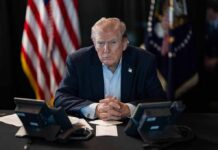

Authorities arrested a Florida woman after she allegedly posted a social media threat to shoot President Trump at a Daytona Beach event, triggering a multi-agency response and a felony charge.
Story Snapshot
- Investigators say an Instagram post threatened to shoot President Trump at a rally.
- Officials identified a 21-year-old suspect, who admitted posting but called it a joke.
- Agents from the Federal Bureau of Investigation (FBI) and the U.S. Secret Service joined the case.
- Florida’s law makes posted threats to kill a second-degree felony, including social media.
What Investigators Say Happened
Volusia County authorities say they were alerted on the day of a Daytona Beach rally after a social media post threatened to shoot President Trump. Investigators report that the Federal Bureau of Investigation notified local partners, and the U.S. Secret Service joined detectives to respond. Officials say they linked the Instagram account to 21-year-old Allison Jeanne Albro, then went to her home to question her. Sheriff Mike Chitwood also posted an image of the alleged threat as part of the public safety response.
Detectives state that Albro admitted making the post, but she told them it was a joke and denied any plan to do harm. Investigators say a consensual search of her residence found no guns, ammunition, or related gear. Despite that, deputies arrested Albro and booked her without bond on a felony count for written threats to kill, based on the alleged post targeting a specific person at a specific event. An arrest is not a conviction; a court will address the charge.
Why A Post Can Lead To A Felony Charge
Florida law makes it a crime to send or post a writing or electronic record that threatens to kill or cause serious harm when someone else can view it. Courts in Florida have applied this statute to social media, not only letters or private messages. In a 2013 case, an appeals court upheld a conviction for threats posted on Facebook, confirming the law covers public posts that communicate a threat. The statute treats these threats as a second-degree felony, reflecting the risk they pose.
The First Amendment protects political speech, but it does not protect “true threats.” The United States Supreme Court has held that serious statements expressing an intent to commit unlawful violence can be punished. In 2023, the Court explained that states must show the speaker had at least a reckless mindset toward how the words would be taken as a threat. That standard aims to protect speech while allowing the law to act on real dangers.
Security Protocols Around A Presidential Visit
When a president travels, agencies move fast on any threat. The U.S. Secret Service and the FBI are trained to act before intent or means are fully known because the downside risk is so high. That posture explains why one alarming post drew a strong response and an arrest the same day. Officials say speed matters when a threat names a specific target, mentions a gun, and ties to a public event with large crowds and tight timelines.
A radical leftist in Florida posted an assassination threat against President Trump and was arrested.
Seeing idiots with mascara runs from crying in their mugshots makes me smile. https://t.co/hKIiu70Bt9
— Heartland Grump – The Rightest Voice on the Right (@heartland_grump) October 30, 2026
At the same time, this case shows the line many Americans worry about. People across the political spectrum fear both violence and government excess. Florida’s law targets threats that name a person and promise harm, including online. The courts will test the facts here against that law. Investigators report no weapon was found and the suspect denied intent, yet the words alone can meet the statute if they amount to a true threat under legal standards.
How This Fits The Bigger Picture
Social media has made threat cases more public and more frequent. A post that reaches many people can spread fear fast and force quick police action. Florida’s updated statute now clearly covers posted threats, which reduces gray areas for officers on the scene. For citizens, the lesson is plain: speech online has real-world stakes. For government, the mandate is equal justice, firm on safety and careful with rights, even when politics run hot.
Sources:
facebook.com, wftv.com, pubapps.fdc.myflorida.com, webapps.hcso.tampa.fl.us