DC government demands $1.5 million to redact faces from public January 6 bodycam footage, blocking Americans’ right to the full truth five years after the politicized Capitol events.
Story Highlights
- Judicial Watch fights in court Thursday for unredacted DC police bodycam videos from January 6, 2021, after MPD denies FOIA request citing massive redaction costs.
- MPD claims over 1,000 hours of footage requires $1.5 million in privacy redactions for faces and voices captured on public property.
- Tom Fitton declares no good reason exists to hide the videos, demanding transparency for this pivotal historical record.
- Hearing before Judge Carl E. Ross could set precedent on FOIA battles between government secrecy and public access.
Court Hearing Looms on Bodycam Release
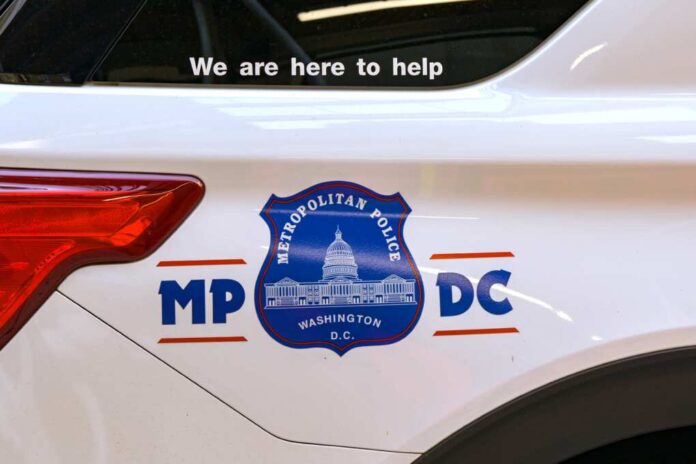
Judicial Watch faces off against the District of Columbia in a federal court hearing scheduled for January 8, 2026, at 2:30 p.m. ET before Judge Carl E. Ross. The nonprofit seeks full release of Metropolitan Police Department bodycam footage from officers at the U.S. Capitol on January 6, 2021. MPD rejected Judicial Watch’s August 2021 FOIA request, claiming privacy protections demand extensive redactions. This standoff highlights government resistance to transparency on a divisive event that shaped national politics under the prior administration.
MPD’s $1.5 Million Roadblock
The Metropolitan Police Department asserts the footage spans over one thousand hours, requiring redaction of faces and voices for privacy. They demand Judicial Watch pay more than $1.5 million for this process. Judicial Watch counters that public events on public property carry no legitimate privacy interest for visible identities. No sensitive data like financial or medical records appears in the videos. This fee serves as a barrier, frustrating conservative demands for unfiltered access to government-held records amid ongoing J6 narratives.
Tom Fitton, Judicial Watch President, stated plainly: “There is no good reason to hide these videos from January 6. Therefore, Judicial Watch continues its fight five years later for the public’s right to see the unedited footage.” His words echo patriot frustrations with bureaucratic stonewalling that obscures the full story of that chaotic day.
BREAKING: A hearing is set for Thursday, January 8, 2026, at 2:30 p.m. ET before D.C. Superior Court Judge Carl E. Ross in a FOIA lawsuit against the District of Columbia for local police bodycam footage from January 6, 2021 (1/3). https://t.co/ysJVnQkIDj pic.twitter.com/PPUwLuxodR
— Judicial Watch ⚖️ (@JudicialWatch) January 5, 2026
Timeline of Transparency Fight
Judicial Watch submitted its initial FOIA request to MPD in August 2021, shortly after the Capitol events. MPD denied access, prompting a lawsuit in U.S. District Court for the District of Columbia in June 2024. In September 2025, Judicial Watch filed arguments dismantling MPD’s redaction claims. The January 5, 2026 announcement set the stage for Thursday’s hearing. This multi-year battle underscores deep reluctance to release raw footage despite public interest in historical truth.
Stakes for Transparency and Precedent
A victory for Judicial Watch mandates footage release, empowering January 6 defendants, researchers, and everyday Americans to review unedited police perspectives. MPD’s win sustains withholding, reinforcing government leverage through cost prohibitions. The ruling shapes FOIA applications nationwide, balancing privacy claims against public right-to-know on events unfolding in plain view. Law enforcement bodycam policies and police accountability hang in the balance, vital for upholding constitutional checks on power.
Sources:
Judicial Watch: Federal Court Hearing Set for DC Police Bodycam Footage from January 6, 2021
JW v DC Jan 6 Bodycam hearing 003453
JW_2025-PR-Subject_01-05-26_Police_1200x627_v1-2
Cover-Up: Judicial Watch Sues DC Police for Jan. 6 Bodycam Vids
Judicial Watch Official Site