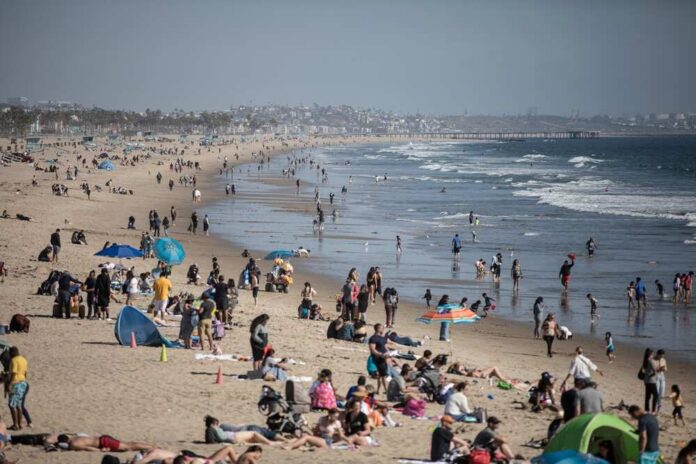
Los Angeles County’s failure to maintain clean coastal waters has forced health officials to close 11 beaches during a March heat wave, leaving families scrambling for relief as chronic infrastructure neglect turns public recreation areas into health hazards.
Story Snapshot
- LA County issued bacteria warnings for 11 beaches on March 11, 2026, as dangerous contamination levels exceeded state health standards during a Southern California heat wave
- Urban runoff carrying pollutants into ocean waters created illness risks for beachgoers, particularly children and elderly residents seeking heat relief at iconic coastal sites
- Health officials blamed elevated enterococci bacteria near storm drains, creeks, piers, and lagoons spanning from San Pedro to Malibu, with contamination persisting up to three days
- Repeated closures highlight chronic pollution from inadequate infrastructure, threatening coastal tourism at prime locations like Santa Monica Pier and Surfrider Beach
Heat Wave Turns Deadly as Bacteria Closures Hit Prime Beaches
The Los Angeles County Department of Public Health issued urgent warnings on March 11, 2026, prohibiting ocean water contact at 11 beaches after water samples detected bacteria levels exceeding state health standards. The closures struck during a Southern California heat wave driving record crowds to the coast for relief. Affected locations include Inner Cabrillo Beach, Mother’s Beach, and portions of Santa Monica, Venice, Marina del Rey, and Malibu coastlines. Health officials activated emergency notification systems via hotline and website, alerting visitors of heightened illness risks from contaminated waters concentrated near urban runoff outlets.
Chronic Runoff Pollution Exposes Infrastructure Failures
Elevated bacteria concentrations stemmed from urban runoff carrying contaminants through storm drains, creeks, and outlets into ocean waters, a recurring problem plaguing LA County beaches for years. Unlike typical rain-induced advisories common in winter months, this March 2026 event highlighted pre-existing contamination amplified by heat wave crowding rather than fresh stormwater. Multi-agency monitoring by DPH, LA County Sanitation Districts, Beach Cities, and LA Sanitation conducts weekly year-round sampling, with failures triggering rapid resampling and signage. The persistence of bacteria for up to three days post-detection underscores systemic infrastructure deficiencies in managing urban pollutants before they reach public waters.
Families and Tourism Bear Economic Brunt of Closures
Restricted swimming at prime coastal sites stripped heat wave relief options from families, elderly residents, and low-income communities reliant on free public beaches during extreme temperatures. Economic impacts hit coastal tourism hard, threatening revenue at iconic destinations like Santa Monica Pier and Surfrider Beach during peak visitation periods. Repeated advisories, including November 2025 rain-related closures, erode public confidence in LA County’s ability to maintain safe recreational waters. This pattern pressures local government for long-overdue infrastructure improvements, particularly runoff controls addressing pollution sources at Wilshire Boulevard, Marie Canyon, Topanga Canyon, and Escondido Creek outlets.
Government Accountability Gap Threatens Public Health Standards
DPH’s reliance on post-contamination warnings rather than preventative infrastructure fixes reflects a reactive approach that fails conservative principles of responsible governance and stewardship. While agencies enforce state standards through Clean Water Act-funded protocols, chronic bacteria exceedances reveal bureaucratic failure to address root causes of urban runoff pollution. The situation exposes taxpayers to ongoing monitoring costs without meaningful solutions, allowing preventable health hazards to persist at publicly funded recreation sites. As of March 16, 2026, advisories remained active with no timeline for resolution, leaving beachgoers to navigate contaminated waters or forfeit coastal access during extreme heat.
LA County’s beach contamination crisis demands accountability from officials who prioritize bureaucratic procedures over tangible infrastructure improvements protecting public health. Families seeking safe recreation during heat waves deserve better than repeated warnings about dangers lurking in waters their tax dollars fund agencies to monitor but not fix.
Sources:
County Warns Against Ocean Water Contact as Heat Wave Builds – KIIS FM iHeart
LA County Department of Public Health – Beach Water Quality