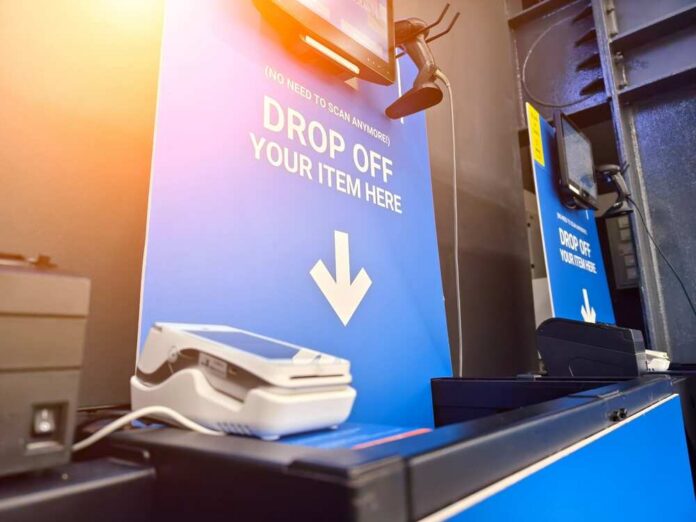
More than one in four Americans now admit to stealing at self-checkout kiosks, exposing how corporate cost-cutting and government-fueled inflation have created a perfect storm of retail theft that hurts honest consumers through higher prices.
Story Snapshot
- Self-checkout theft admissions nearly doubled from 15% in 2023 to 27% in 2025, according to LendingTree survey data
- Retailers blame losses on theft while consumers cite unaffordable prices, broken machines, and job elimination as justifications
- Big-box stores deploy AI surveillance systems that lock scanners and alert security, raising privacy concerns among shoppers
- Economic pressures from inflation drive everyday items like milk and bread to become common theft targets
Inflation and Automation Create Theft Epidemic
Self-checkout systems, originally deployed by major retailers like Walmart and Target to slash labor costs, have become a breeding ground for theft that now affects more than a quarter of American shoppers. The 2025 LendingTree survey revealed a staggering 27% of Americans admit to stealing at self-checkout lanes, nearly double the 15% recorded in 2023. This surge coincides with persistent inflation that has made basic necessities increasingly unaffordable for working families, while retailers eliminated cashier positions to boost profits. The system creates an environment where shoppers face finicky technology, no human oversight, and mounting financial pressures—a combination that erodes traditional values of honesty.
Common Tactics Exploit Weak Security
Theft methods at self-checkout exploit the absence of cashier verification through techniques security firms now document extensively. The “banana trick” involves scanning expensive items as cheaper produce, while “pass-around” schemes skip scanning items entirely by pretending to process them. Barcode switching and exploiting scale errors have become standard practices among both opportunistic shoppers and organized retail crime rings. These tactics thrive because pre-2025 systems lacked effective deterrents, creating what security experts call a “perceived lack of accountability.” The technological gap between automated checkout and human judgment enabled rationalizations like “forgetting” to scan items, blurring criminal intent in ways traditional shoplifting never could.
Economic Desperation Fuels Moral Compromise
Financial analyst Matt Schulz from LendingTree identified unaffordability as the primary driver behind self-checkout theft, not mere convenience or opportunity. Shoppers target everyday essentials like bread, milk, and eggs—items that have seen price increases due to inflation caused by years of government overspending and misguided fiscal policies. Forrester analyst Craig Le Clair points to additional frustrations with poorly designed interfaces featuring tiny fonts and confusing prompts that alienate elderly and less tech-savvy customers. Some shoppers rationalize theft as payback for retailers cutting jobs through automation while maintaining high prices, revealing how corporate decisions and government economic failures combine to undermine the social contract that once made petty theft socially unacceptable.
AI Surveillance Raises New Concerns
Retailers now counter theft through AI-powered video analytics from companies like Avigilon and Pelco that detect anomalies such as unusual scanning patterns or pass-around attempts. These systems integrate with point-of-sale terminals to automatically lock scanners and dispatch security personnel when suspicious activity occurs, particularly for expensive items. While reducing losses, this surveillance infrastructure raises legitimate privacy questions about constant monitoring of law-abiding citizens who simply want to buy groceries. The technology represents another example of how everyday Americans bear the burden—whether through higher prices from theft or invasive tracking—while the root causes of unaffordable living costs and corporate labor cuts remain unaddressed by a government more focused on political theater than solving real problems.
The self-checkout theft crisis ultimately reflects deeper failures: inflation from reckless federal spending, corporate prioritization of profits over people, and technology deployed without consideration for human nature or economic reality. Until government and business elites address the affordability crisis crushing working families, theft will continue eroding the trust and shared values essential to a functioning society. Both shoppers who steal and retailers who cut corners share blame, but the biggest culprits remain those in power who created the economic conditions making theft seem justified to millions of otherwise honest Americans.
Sources:
Avigilon – Self-Checkout Theft Prevention
Marketplace – Why Are People Stealing From Self-Checkout
Pelco – Self-Checkout Theft Prevention
NBC Palm Springs – Self-Checkout Shoplifting Surge, Moral Issues and Retail Losses